Val d'Orcia
UNESCO-protected landscape of cypress-lined roads, golden fields, and iconic hilltop villages
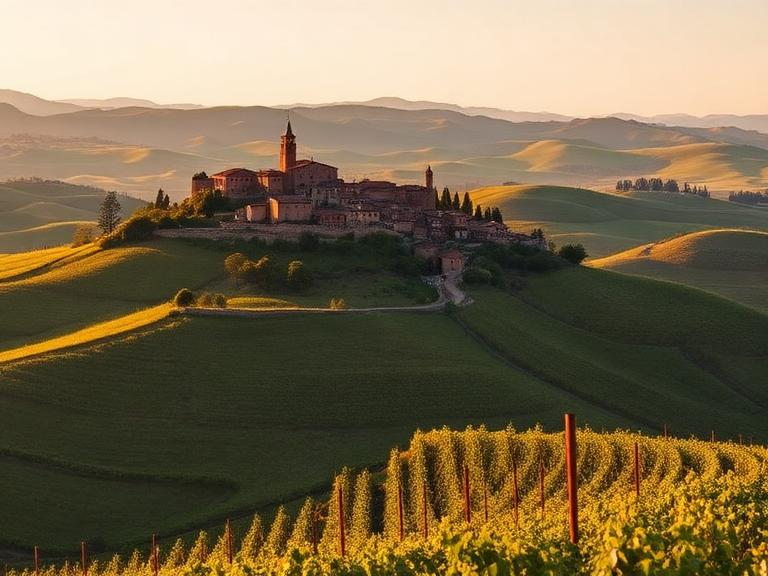
Val d'Orcia is the Tuscany of your dreams made real — the landscape that appears on postcards, in films, and in the collective imagination of anyone who has ever longed for Italy. This broad, gentle valley south of Siena unfolds in a symphony of golden wheat fields, dark cypress sentinels, and hilltop villages that seem to float above the morning mist like apparitions from a Renaissance painting.
But Val d'Orcia is far more than a pretty picture. Designated a UNESCO World Heritage Site in 2004, this landscape represents one of the most successful examples of human interaction with nature in the history of civilization. For over a thousand years, the people of this valley shaped the land with an aesthetic sensibility that created not just productive farmland, but a work of art on a geographic scale — a landscape designed, consciously or not, to embody the humanist ideals of harmony, proportion, and beauty.
The valley is named after the Orcia River, which flows from Monte Amiata (an extinct volcano that provides the region's mineral-rich soils) northward to join the Ombrone. Along its course, the river has carved a landscape of gentle hills that change color with the seasons — vibrant green in spring, golden in summer, russet in autumn, and misty silver in winter. Each season brings a completely different visual experience, which is why photographers and painters return again and again.
Val d'Orcia is also home to some of Italy's greatest treasures of food and wine. Brunello di Montalcino, produced exclusively from Sangiovese Grosso grapes grown on the slopes of Montalcino, is widely considered Italy's finest red wine — a wine that requires a minimum of five years aging before release and can evolve in the bottle for decades. Pecorino di Pienza, made from the milk of sheep that graze on the valley's aromatic herbs, has been produced here since the Middle Ages and ranges from fresh and milky (fresco) to sharp and crumbly (stagionato). And the thermal springs at Bagno Vignoni, San Casciano dei Bagni, and Bagni San Filippo have soothed travelers since Etruscan and Roman times.
The Essential Hilltop Towns
Pienza — In 1459, Pope Pius II (born Enea Silvio Piccolomini in nearby Corsignano) transformed his humble birthplace into the "ideal city" of the Renaissance. He commissioned the architect Bernardo Rossellino to redesign the central piazza and build a cathedral, papal palace, and town hall according to humanist principles of harmony and proportion. The result is a jewel-box of a town that feels like stepping into a perfectly composed painting. The main street, Corso Rossellino, is lined with shops selling Pecorino cheese in every stage of aging — the shop owners happily offer tastings, and buying directly from the producer is both cheaper and better than any cheese shop in Florence. The views from the city walls, looking south over the rolling Val d'Orcia landscape, are among the most photographed in all of Italy.
Montalcino — This austere fortress town rises from the surrounding vineyards like a medieval crown. Its massive 14th-century Fortezza (fortress) now houses a wine bar where you can taste Brunello and Rosso di Montalcino while gazing over the valley from the ramparts. The town itself is steep, compact, and unpretentious — more wine producers' working town than tourist destination — which is precisely its charm. Visit during the Sagra del Tordo (Thrush Festival) in late October for archery competitions, medieval pageantry, and serious wine drinking. Don't miss the extraordinary Romanesque abbey of Sant'Antimo, a 12th-century masterpiece of French-influenced architecture in a valley of olive groves just south of town, where Gregorian chant services still echo through the travertine nave.
Montepulciano — An elegant Renaissance town perched 600 meters above sea level, Montepulciano feels like a smaller, quieter version of Florence transplanted to the hilltops. The main street climbs dramatically through layers of architectural history — medieval towers, Renaissance palaces, Baroque churches — to the magnificent Piazza Grande with its Duomo and Palazzo Comunale (modeled on Florence's Palazzo Vecchio). Below the town, the Temple of San Biagio (1518–1545) is a masterpiece of High Renaissance architecture by Antonio da Sangallo the Elder. The local Vino Nobile di Montepulciano is Tuscany's oldest designated wine (DOC since 1966) and offers exceptional value compared to Brunello.
San Quirico d'Orcia — Often overlooked by tourists rushing between Pienza and Montalcino, San Quirico rewards those who linger. The Horti Leonini, a beautifully maintained Renaissance garden in the center of town, is a peaceful retreat. The Collegiata church features three ornately carved Romanesque portals that are among the finest in Tuscany. And the tiny hamlet of Bagno Vignoni, just minutes away, is one of the most surreal sights in Italy.
Bagno Vignoni — This medieval hamlet is built around a large rectangular pool fed by hot thermal springs that bubble up at 52°C from volcanic sources deep beneath Monte Amiata. Where other villages have a piazza, Bagno Vignoni has a steaming pool of warm water, surrounded by Renaissance buildings and an atmospheric loggia. Lorenzo the Magnificent and Saint Catherine of Siena both bathed here. You can no longer swim in the central pool, but the free thermal pools in the gorge below the village (Parco dei Mulini) are open and magical, especially at sunset.
Val d'Orcia's Thermal Springs
Val d'Orcia sits atop a network of volcanic thermal springs that have been used for healing and relaxation since Etruscan times. The mineral-rich waters, heated deep within the Earth by the dormant volcanic activity of Monte Amiata, emerge at temperatures ranging from 37°C to 52°C and are rich in sulfur, calcium, and magnesium.
Bagni San Filippo — The most dramatic thermal springs in Tuscany, featuring a cascade of hot water that has built up stunning white calcium deposits over centuries, creating a natural sculpture called the Balena Bianca (White Whale). The pools are free, open-air, and set in a forest — an utterly magical experience, especially in cooler months when steam rises through the trees. Arrive early or at sunset to avoid weekend crowds.
San Casciano dei Bagni — Recently in the news for the extraordinary discovery of 24 perfectly preserved bronze statues from the 2nd century BC in its ancient thermal springs, San Casciano has been a thermal destination since the Etruscans. The elegant spa resort offers luxury treatments, but there are also free public pools along the river. The town itself, perched on a hilltop above the springs, is charming and largely untouched by tourism.
Rapolano Terme — Two thermal establishments, Terme San Giovanni and Terme Antica Querciolaia, offer pools, treatments, and modern spa facilities. Less dramatic than the wild springs of Bagni San Filippo but more comfortable, and an excellent option for families.
Photography Guide to Val d'Orcia
Val d'Orcia is one of the world's most photographed landscapes, and for good reason — the combination of rolling hills, isolated farmhouses, cypress trees, and ever-changing light creates compositions that seem almost too perfect to be real. Here's how to make the most of it.
The Golden Rules — Light is everything. The best photography happens in the first hour after sunrise and the last hour before sunset. Val d'Orcia's east-west orientation means that the hills are dramatically side-lit at these times, creating deep shadows and luminous highlights. In winter, morning mist fills the valleys, creating ethereal scenes as hilltop towns appear to float on clouds.
Top Locations — The cypress-lined road near Agriturismo Baccoleno (GPS: 43.2647° N, 11.5789° E) is the single most iconic shot. The Chapel of Vitaleta (between Pienza and San Quirico) is best at dawn from the east. The view of Pienza from the SP146 road to the north captures the town floating above the valley. The Gladiator Hills near Terrapille offer sweeping panoramas. And the crete senesi (clay hills) near Asciano are lunar landscapes unlike anything else in Tuscany.
Seasonal Guide — Spring (April–May): green fields, wildflowers, poppies in late May. Summer (June–July): golden wheat fields at their peak, harvest scenes. Autumn (September–October): warm colors, grape harvest, truffle season. Winter (December–February): dramatic mist, frost on plowed fields, moody skies.
Explore All Tuscany Properties
Stay in the heart of the Tuscan countryside, close to Val d'Orcia's wonders.
View All Tuscany PropertiesExplore More of Tuscany
Discover other enchanting destinations across Tuscany, each with its own unique character.
Val d'Orcia FAQ
What to Do
Curated Tuscany Experiences
Full day (6–8 hours)
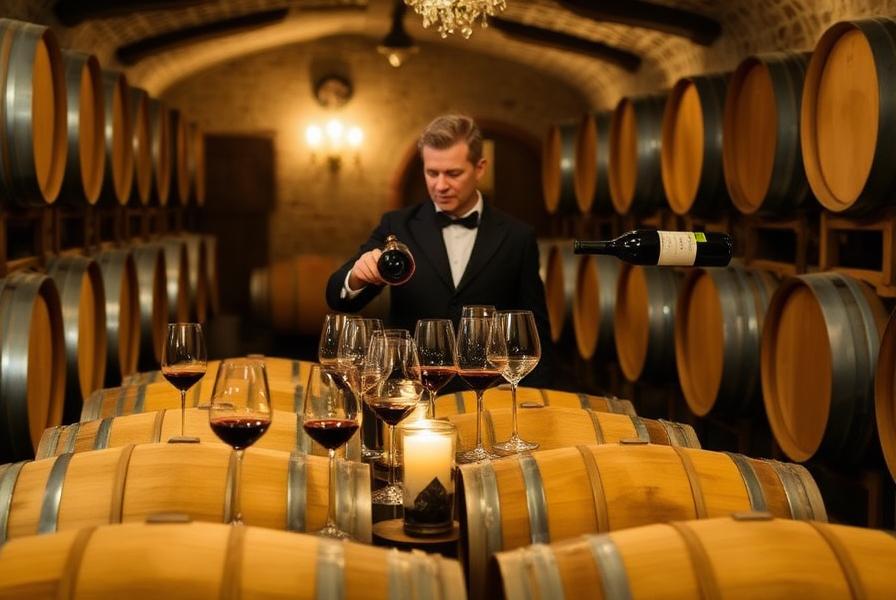
Private Wine Tasting & Vineyard Tour
Discover the soul of Tuscan winemaking in private cellars
Half day (4–5 hours)
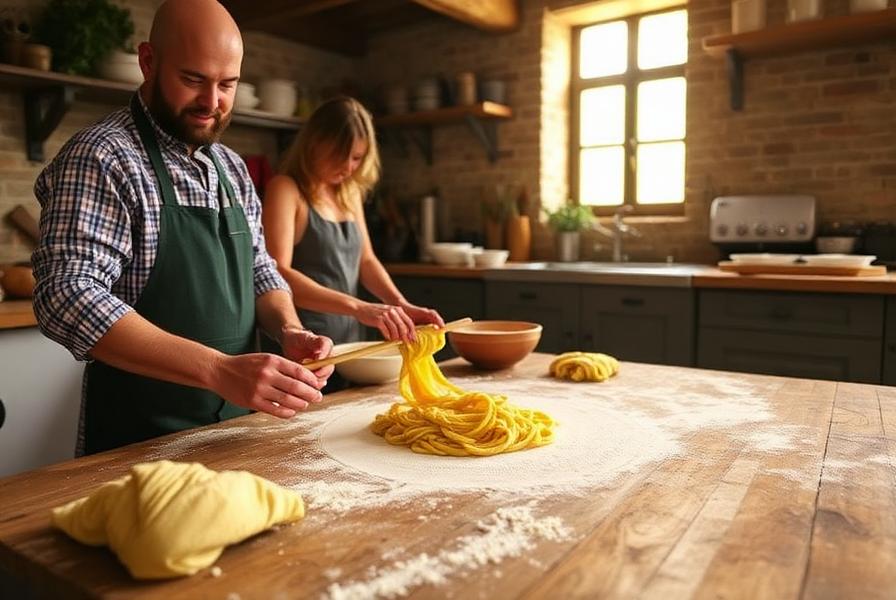
Hands-On Cooking Class
Master the art of Tuscan cuisine in an authentic farmhouse
Half day (2–3 hours)
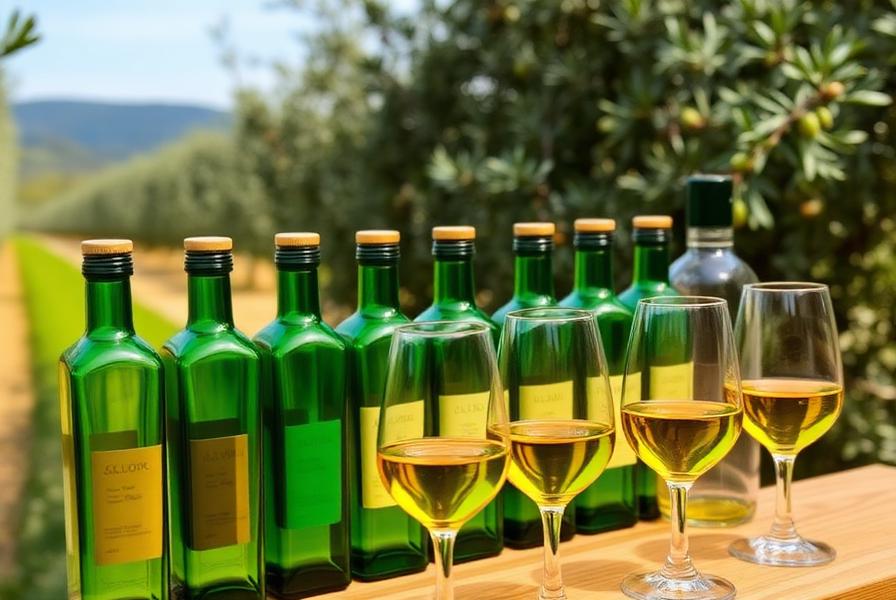
Extra Virgin Olive Oil Tasting
Learn to distinguish the liquid gold of Tuscany
From Our Journal
Tuscany Reading & Insights
- 12 min readThe Best Time to Visit Tuscany: A Month-by-Month Guide for 2026From the spring wildflowers to the autumn wine harvest, each season in Tuscany offers something magical. Here's exactly when to go based on what you want to experience.
- 15 min readTuscany Wine Regions: The Complete Guide to Chianti, Brunello & BeyondTuscany produces some of the world's finest wines. From the rolling hills of Chianti to the sun-baked slopes of Montalcino, here's your expert guide to every major wine region.
- 14 min read21 Unforgettable Things to Do in Chianti, TuscanyChianti is far more than wine country. From medieval castles and thermal springs to artisan workshops and sunrise hot air balloon rides, here are 21 experiences that make Chianti extraordinary.
Curated Collections
Plan a Trip Around a Theme
- Wedding VenuesPrivate Tuscany & Lake Como estates for destination weddings: exclusive-use buy-outs, 12+ guests on site, vetted vendors and a dedicated planner.
- Family VillasFamily villas in Tuscany & Lake Como: safe pools, gardens, quiet roads and child-friendly amenities. Cots and private chef on request — quotes on inquiry.
- Honeymoon StaysRomantic villas for two in Tuscany & Lake Como: private pool or lakefront, panoramic terrace, in-villa chef and total privacy. Quotes on inquiry.
- Large GroupsEstates in Tuscany & Lake Como for 14+ guests: en-suite bedrooms, big living spaces, pool and on-site staff. Great for family reunions — quotes on inquiry.