Tuscany is magnificent year-round, but the experience shifts dramatically with the seasons. Whether you're chasing the golden light of harvest season, spring wildflowers carpeting the Val d'Orcia, or the quiet intimacy of winter truffle festivals, timing your visit can transform a great trip into an unforgettable one.
Spring (March–May): Wildflowers & Perfect Temperatures
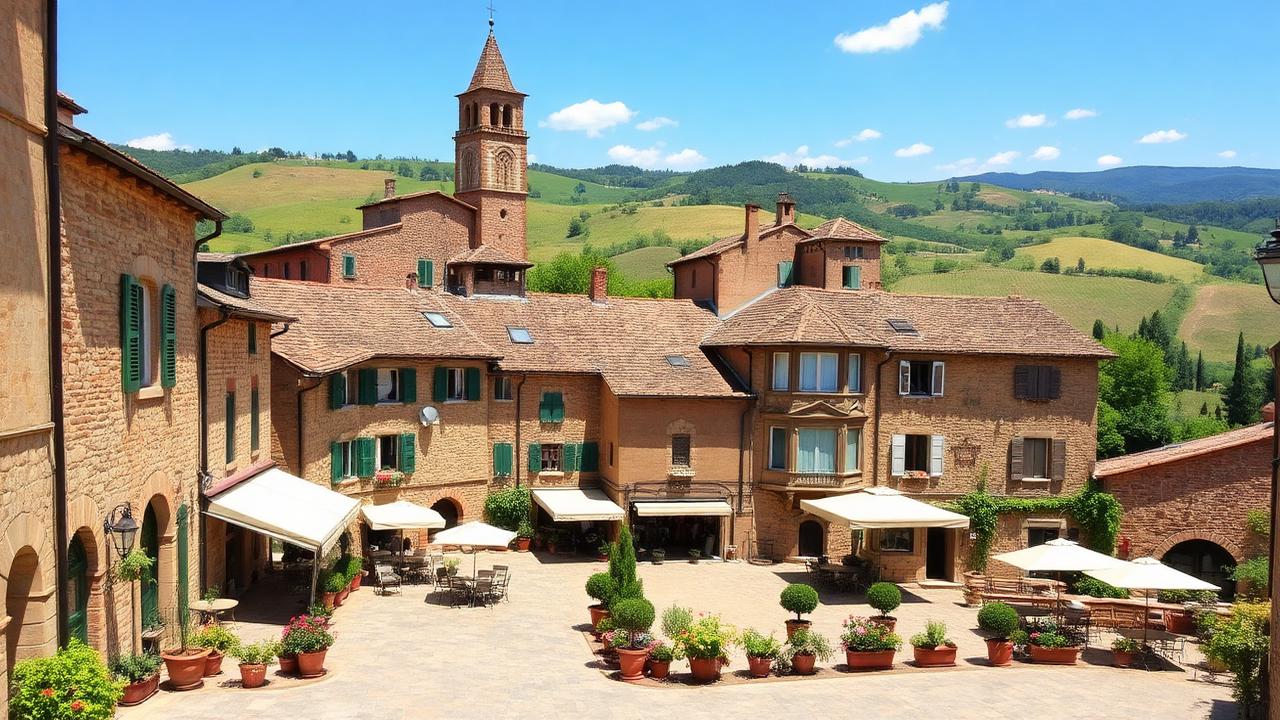
Spring is arguably Tuscany's most photogenic season. The rolling hills erupt in vivid green, poppies blanket entire fields in red, and the temperature hovers between 15–24°C (59–75°F) — ideal for both sightseeing and outdoor dining.
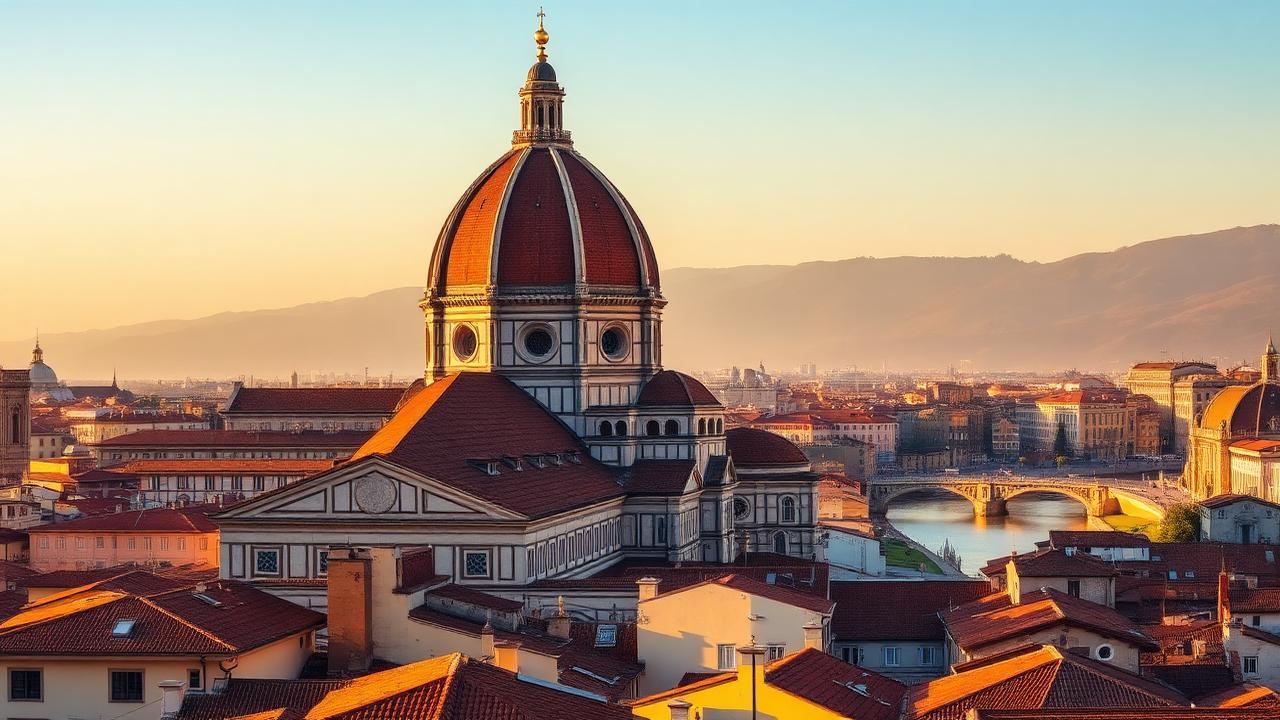
March is still quiet and occasionally cool, but accommodation prices are 30–40% lower than peak season. The almond trees bloom, and local sagre (food festivals) begin. April brings Easter celebrations, with Scoppio del Carro (Exploding the Cart) in Florence being a must-see spectacle. May is perfection — warm enough for pool days at your villa, uncrowded enough to enjoy the Uffizi without the queues, and the countryside is at its most lush.
Insider tip: The last two weeks of May offer the best balance of weather, crowd levels, and prices in all of Tuscany's calendar year.
Summer (June–August): Peak Season & Long Golden Days
Summer is when Tuscany lives its fullest life. The days stretch until nearly 9pm, outdoor concerts fill piazzas, and every gelateria has a queue. Temperatures regularly hit 35°C (95°F) in July and August, especially in Florence and the lower valleys.
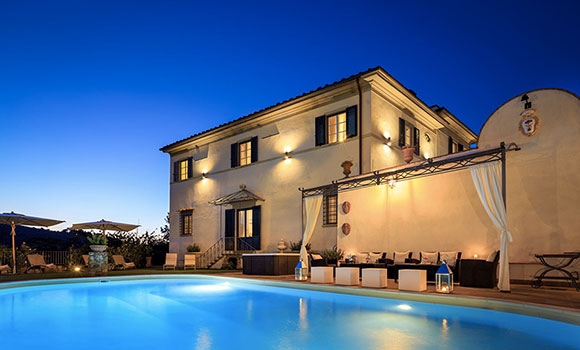
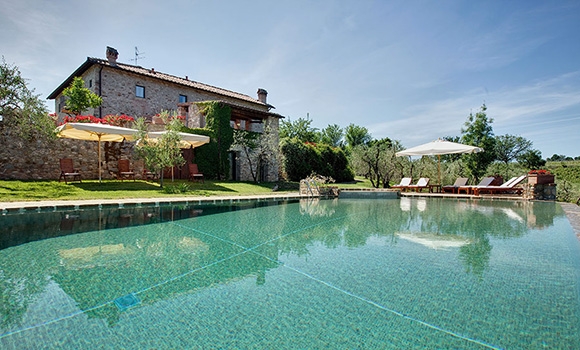
June is the sweet spot of summer — warm but not scorching, with excellent availability at most villas. The Festa di San Giovanni (June 24) in Florence features historic football and fireworks. July and August are the hottest and most crowded months, with prices at their peak. However, if you're staying in a countryside villa with a pool, the heat becomes an asset rather than a liability.
Insider tip: Book a hilltop villa above 300m elevation for naturally cooler temperatures — the difference can be 5–7°C compared to the valleys.
Autumn (September–November): Wine Harvest & Truffle Season
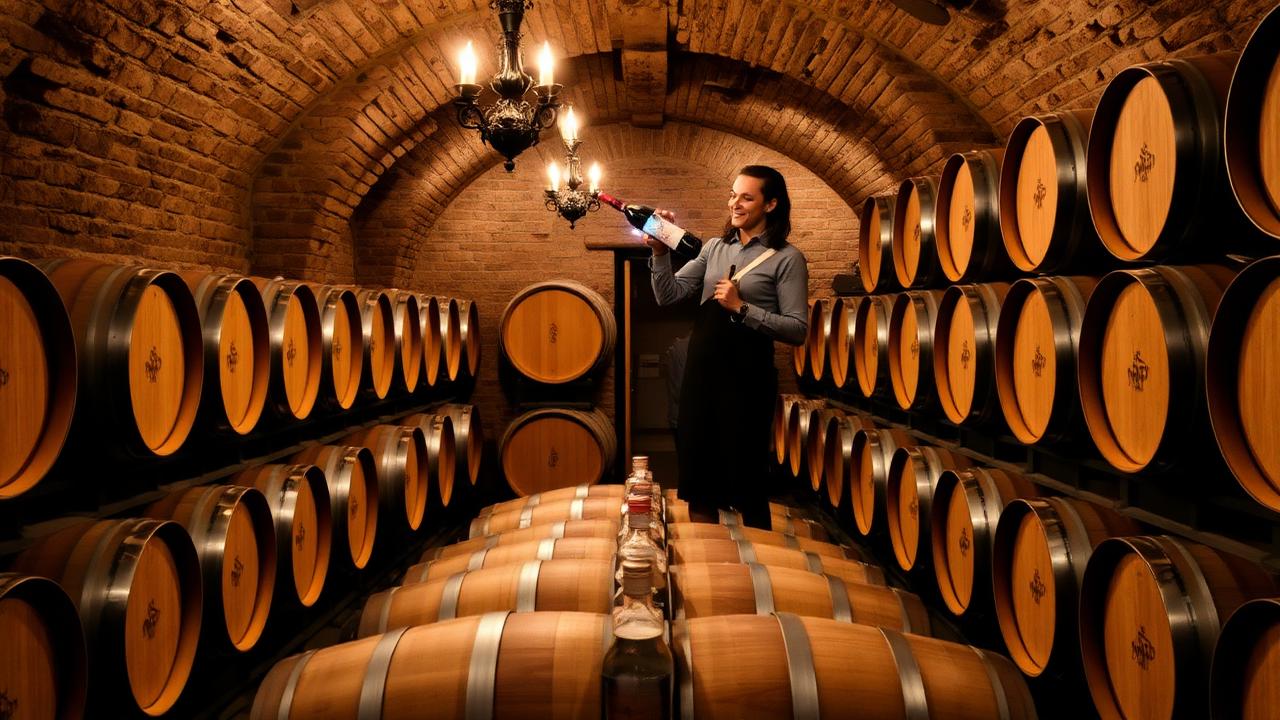
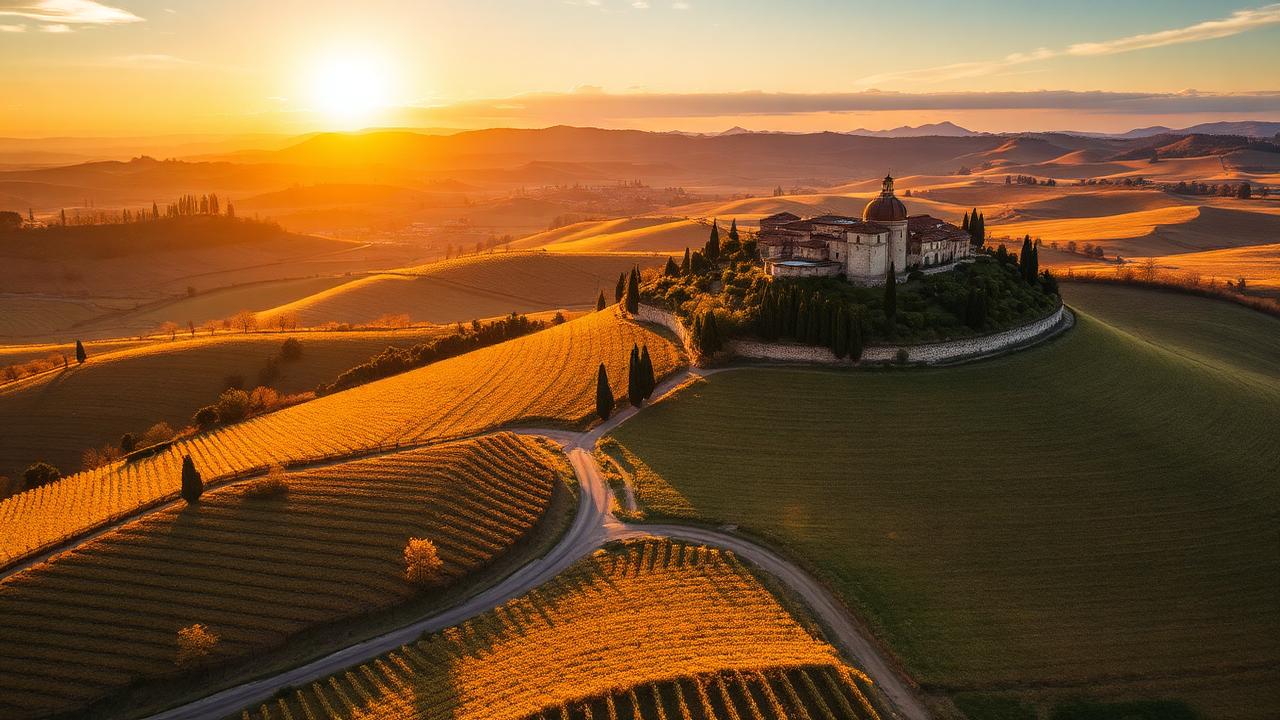
For many connoisseurs, autumn is Tuscany's finest hour. The vendemmia (wine harvest) begins in September and continues through October, filling the air with the sweet scent of crushed grapes. Temperatures cool to a comfortable 18–26°C, and the light takes on that famous golden quality that inspired Renaissance painters.
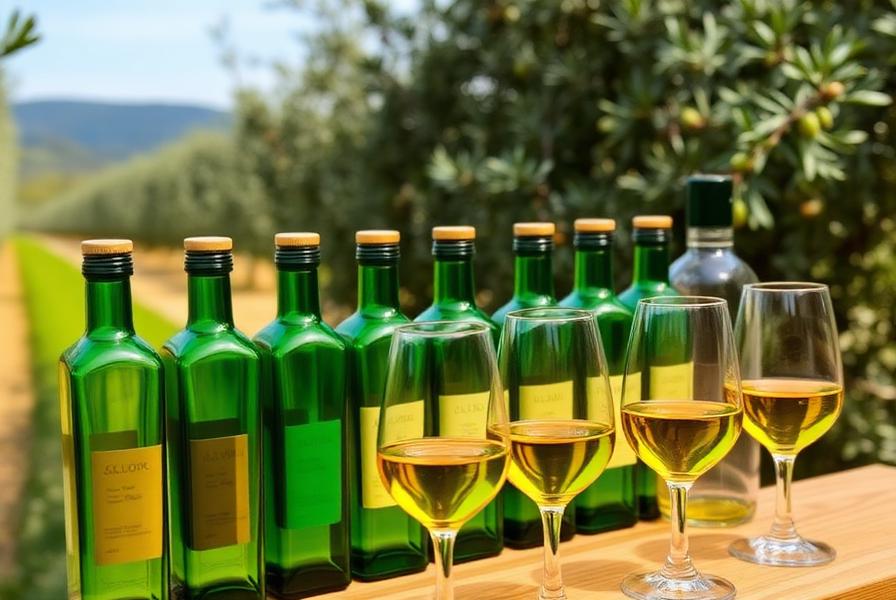
September still feels like summer but without the crowds. October is the month of harvest festivals, new olive oil pressing, and the start of white truffle season in San Miniato. November brings rain but also the most atmospheric landscapes — misty mornings over the Val d'Orcia are among Italy's most iconic images.
Insider tip: The last week of October through the first week of November offers truffle hunting, new olive oil tastings, and the Chianti Classico wine harvest — all in the same visit.
Winter (December–February): Quiet Charm & Truffle Festivals
Winter Tuscany is a well-kept secret. The tourist crowds vanish, accommodation prices drop by 50–60%, and the region reveals its most authentic self. You'll find yourself dining alongside locals, exploring empty museums, and warming up by roaring fireplaces in centuries-old villas.
December brings Christmas markets to Florence, Siena, and smaller towns. January is the quietest month — perfect for museum lovers and those who prefer solitude. February sees the spectacular Carnevale di Viareggio, one of Italy's most elaborate carnival celebrations.
Insider tip: Winter is the best time for art lovers — you can spend as long as you want in front of Botticelli's Birth of Venus without being jostled by summer crowds.
Our Recommendation
For the quintessential Tuscany experience, we recommend late September to mid-October. The harvest is in full swing, the summer crowds have departed, villa rates have dropped, and the weather remains warm and sunny. Add in truffle hunting and new olive oil, and you have the ingredients for an extraordinary Italian escape.
However, every season has its magic. The key is matching your interests — wine lovers should target autumn, art enthusiasts should consider winter, and families with children will love the long summer days of June.