Siena
Medieval splendor, the famous Palio, and sweeping views of the surrounding countryside
Siena is Tuscany's medieval jewel — a city that decided in the 14th century that it was already perfect, and has spent the centuries since proving itself right. While Florence embraced the Renaissance and modernity, Siena preserved its Gothic character with fierce determination, creating what is arguably the most complete medieval cityscape in all of Europe.
To walk Siena's narrow streets is to step into a world where the boundaries between past and present dissolve. The same brick and stone buildings that housed medieval merchants now shelter family-run trattorias serving recipes unchanged for centuries. The same piazza where citizens gathered to debate politics 700 years ago still fills with passionate crowds for the Palio. The same contrade (neighborhood districts) that organized civic life in the 13th century still define how Sienese people see themselves, marry, celebrate, and mourn.
At its heart lies the extraordinary Piazza del Campo, a shell-shaped public space that is widely considered the most beautiful piazza in Italy — and possibly in Europe. Designed to slope gently toward the Palazzo Pubblico like a theater facing its stage, the Campo's nine segments represent the legendary Council of Nine (Governo dei Nove) that governed Siena during its golden age from 1287 to 1355, a period of unprecedented prosperity, artistic achievement, and civic harmony.
Twice each summer, this piazza transforms into a racetrack for the Palio, a bareback horse race between the city's contrade that is far more than a sporting event — it is the living expression of Siena's identity, a ritual rooted in centuries of competition, alliances, betrayals, and fierce neighborhood pride that makes even modern sports rivalries seem tame by comparison.
Must-See Highlights
Piazza del Campo — The shell-shaped piazza is the social heart of Siena. Arrive early morning to see it nearly empty, a vast expanse of herringbone brick glowing in the golden light. By evening, it fills with students, families, and visitors who sit on the sloping pavement with a glass of wine, watching the sky change color behind the Torre del Mangia. There is no better place in Italy to simply sit and absorb the genius of urban design.
The Duomo — Siena's cathedral is a masterpiece of Italian Romanesque-Gothic architecture, its green-and-white marble stripes echoing the colors of the city's coat of arms. The interior is staggering: a floor composed of 56 intricate marble panels depicting biblical, historical, and allegorical scenes (fully uncovered only in September–October), Nicola Pisano's ornate pulpit, Bernini's Chapel of the Madonna del Voto, and the Piccolomini Library with its vibrant Pinturicchio frescoes depicting the life of Pope Pius II in colors so vivid they seem painted yesterday.
Torre del Mangia — At 102 meters, the slender bell tower of the Palazzo Pubblico is one of the tallest secular towers in medieval Italy. The 400-step climb is rewarded with a panorama that sweeps from the city's brick-red rooftops across rolling Tuscan hills to the distant peaks of Monte Amiata and, on clear days, the Apuan Alps. The tower is named after its first bell-ringer, Giovanni di Duccio, nicknamed mangiaguadagni ("profit-eater") for his spendthrift habits.
Museo Civico — Inside the Palazzo Pubblico, this museum houses two of the most important frescoes in Western art: Ambrogio Lorenzetti's Allegory of Good and Bad Government (1338–39), a masterpiece of political philosophy rendered in paint that is strikingly relevant to modern debates about governance, and Simone Martini's ethereal Maestà.
Contrada Museums & Fountains — Each of Siena's 17 contrade maintains its own museum, church, fountain, and social club. Visiting them reveals a uniquely communal identity — the contrada is where babies are baptized, where children learn loyalty, and where adults celebrate or mourn the fortunes of the Palio. Look for the ceramic plaques on building corners that mark the boundaries between districts.
Understanding the Contrade
Nothing distinguishes Siena from every other Italian city quite like the contrade system. The 17 contrade — named after animals and symbols (Oca/Goose, Drago/Dragon, Lupa/She-Wolf, Torre/Tower, Aquila/Eagle, etc.) — are not merely administrative districts. They are living communities with their own governments, churches, patron saints, flags, anthems, and fierce identities that Sienese citizens carry from birth to death.
A Sienese person's contrada is determined not by where they live but by where they were born (or historically, where they were baptized). Contrada loyalty is absolute and lifelong — people who move to other cities or even other countries still return for the Palio, still contribute to their contrada's charitable works, and still feel the sting or triumph of victory and defeat.
The contrade system creates a social fabric of remarkable strength. Each contrada runs its own social programs, youth activities, elderly care, and cultural events. The annual contrada dinners — especially the victory dinner after a Palio win — are among the most joyful communal celebrations you'll witness anywhere in the world: tables stretching through medieval streets, hundreds of people singing, crying, and toasting together.
For visitors, the contrade add layers of meaning to a simple walk through the city. Notice the flags, look for the animal symbols on fountains and buildings, and don't be surprised if a friendly Sienese shopkeeper tells you passionately about their contrada's history — rivalry with neighboring districts is real, personal, and often hilariously intense.
Practical Tips for Visiting Siena
Getting Around — Siena's historic center is entirely pedestrian, built on three hills that converge at the Piazza del Campo. The terrain is steep in places — comfortable walking shoes are essential. Escalators at several points connect the lower parking areas and bus station to the center. Cars must be left outside the walls; parking at the Stadio (stadium) or Santa Caterina lots is most convenient.
The OPA SI Pass — The combined ticket for the Duomo complex (cathedral, Piccolomini Library, Baptistery, Museo dell'Opera, Crypt, and panoramic viewpoint from the unfinished nave extension) is excellent value. The view from the "Facciatone" — the wall of the nave that was never completed due to the 1348 plague — offers a unique perspective over the city and is one of Siena's best-kept secrets.
Best Photo Spots — The Facciatone viewpoint for city panoramas; Piazza del Campo from the Palazzo Pubblico steps at golden hour; the narrow Via di Città for medieval streetscapes; and the Medici Fortress ramparts for sunset views over the rolling countryside to the south.
Day Trips from Siena — San Gimignano (45 min) for medieval towers and Vernaccia wine; Montalcino (1 hour) for Brunello wine and the stunning Abbazia di Sant'Antimo; Montepulciano (1 hour) for Renaissance architecture and Vino Nobile; Volterra (1.5 hours) for Etruscan heritage and alabaster workshops; and the thermal baths at Rapolano Terme (30 min) for post-sightseeing relaxation.
Explore All Tuscany Properties
Stay near Siena in one of our handpicked villas and estates.
View All Tuscany PropertiesExplore More of Tuscany
Discover other enchanting destinations across Tuscany, each with its own unique character.
Siena FAQ
Where to Stay
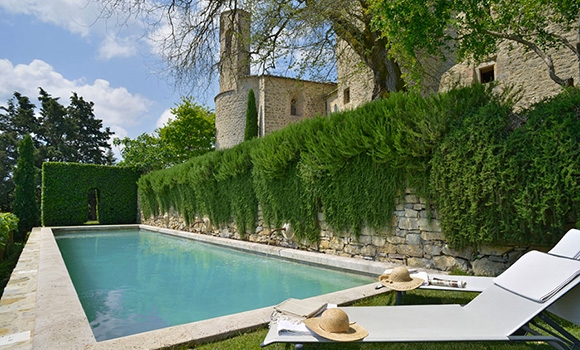
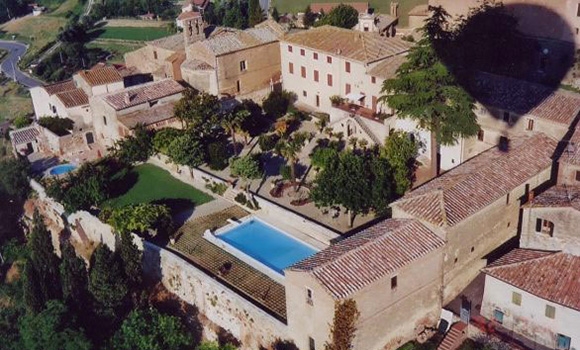
Luxury Villas in Siena
What to Do
Curated Tuscany Experiences
Full day (6–8 hours)
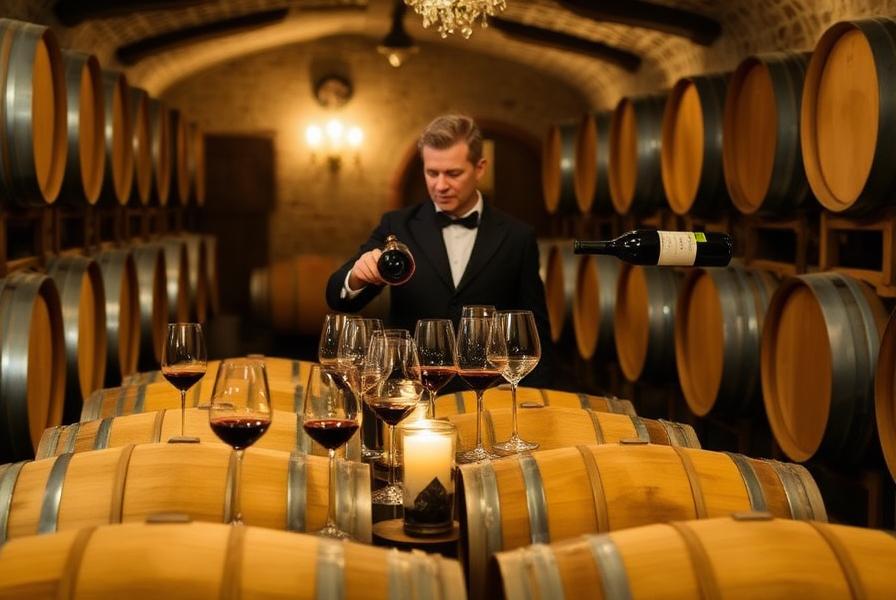
Private Wine Tasting & Vineyard Tour
Discover the soul of Tuscan winemaking in private cellars
Half day (4–5 hours)
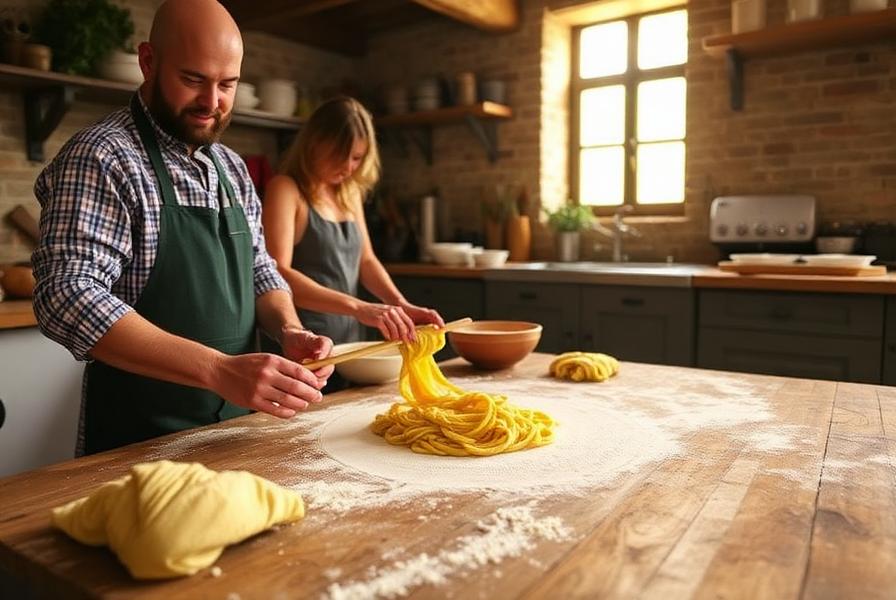
Hands-On Cooking Class
Master the art of Tuscan cuisine in an authentic farmhouse
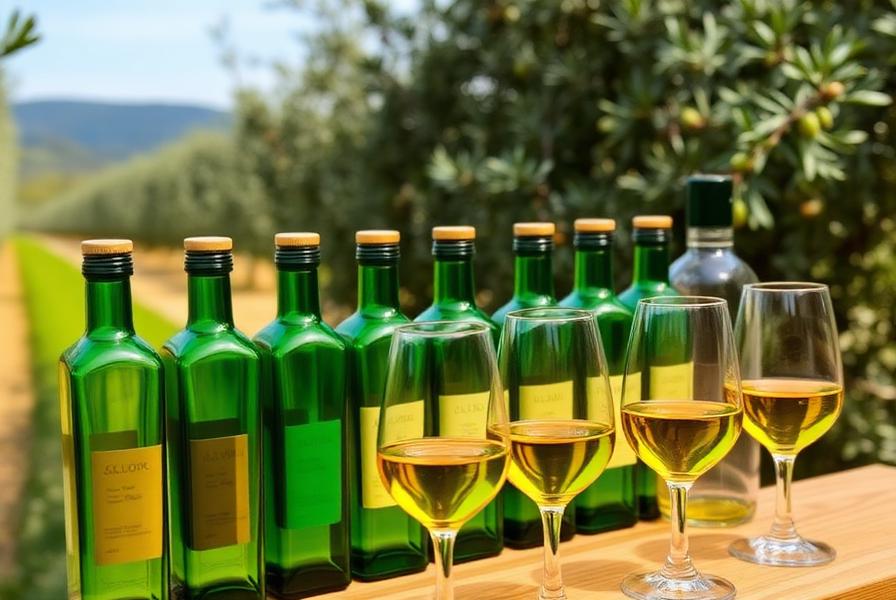
Half day (2–3 hours)
Extra Virgin Olive Oil Tasting
Learn to distinguish the liquid gold of Tuscany
From Our Journal
Tuscany Reading & Insights
- 12 min readThe Best Time to Visit Tuscany: A Month-by-Month Guide for 2026From the spring wildflowers to the autumn wine harvest, each season in Tuscany offers something magical. Here's exactly when to go based on what you want to experience.
- 15 min readTuscany Wine Regions: The Complete Guide to Chianti, Brunello & BeyondTuscany produces some of the world's finest wines. From the rolling hills of Chianti to the sun-baked slopes of Montalcino, here's your expert guide to every major wine region.
- 14 min read21 Unforgettable Things to Do in Chianti, TuscanyChianti is far more than wine country. From medieval castles and thermal springs to artisan workshops and sunrise hot air balloon rides, here are 21 experiences that make Chianti extraordinary.
Curated Collections
Plan a Trip Around a Theme
- Wedding VenuesPrivate Tuscany & Lake Como estates for destination weddings: exclusive-use buy-outs, 12+ guests on site, vetted vendors and a dedicated planner.
- Family VillasFamily villas in Tuscany & Lake Como: safe pools, gardens, quiet roads and child-friendly amenities. Cots and private chef on request — quotes on inquiry.
- Honeymoon StaysRomantic villas for two in Tuscany & Lake Como: private pool or lakefront, panoramic terrace, in-villa chef and total privacy. Quotes on inquiry.
- Large GroupsEstates in Tuscany & Lake Como for 14+ guests: en-suite bedrooms, big living spaces, pool and on-site staff. Great for family reunions — quotes on inquiry.