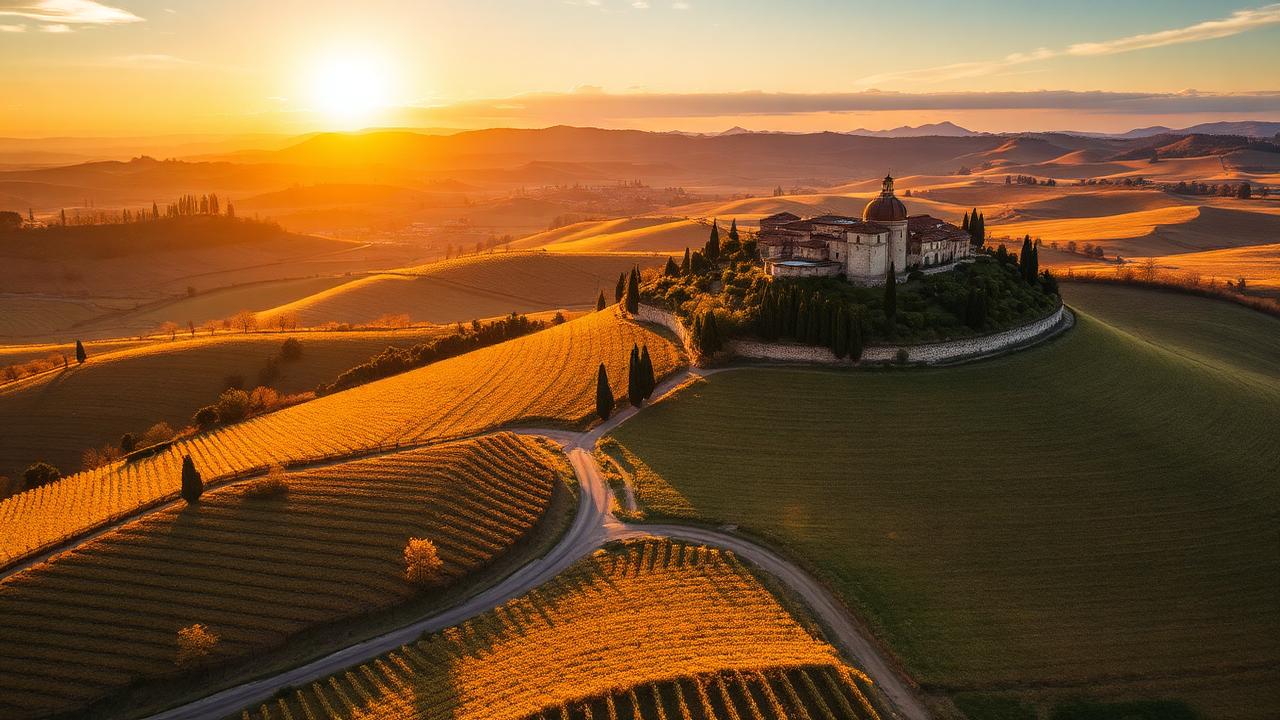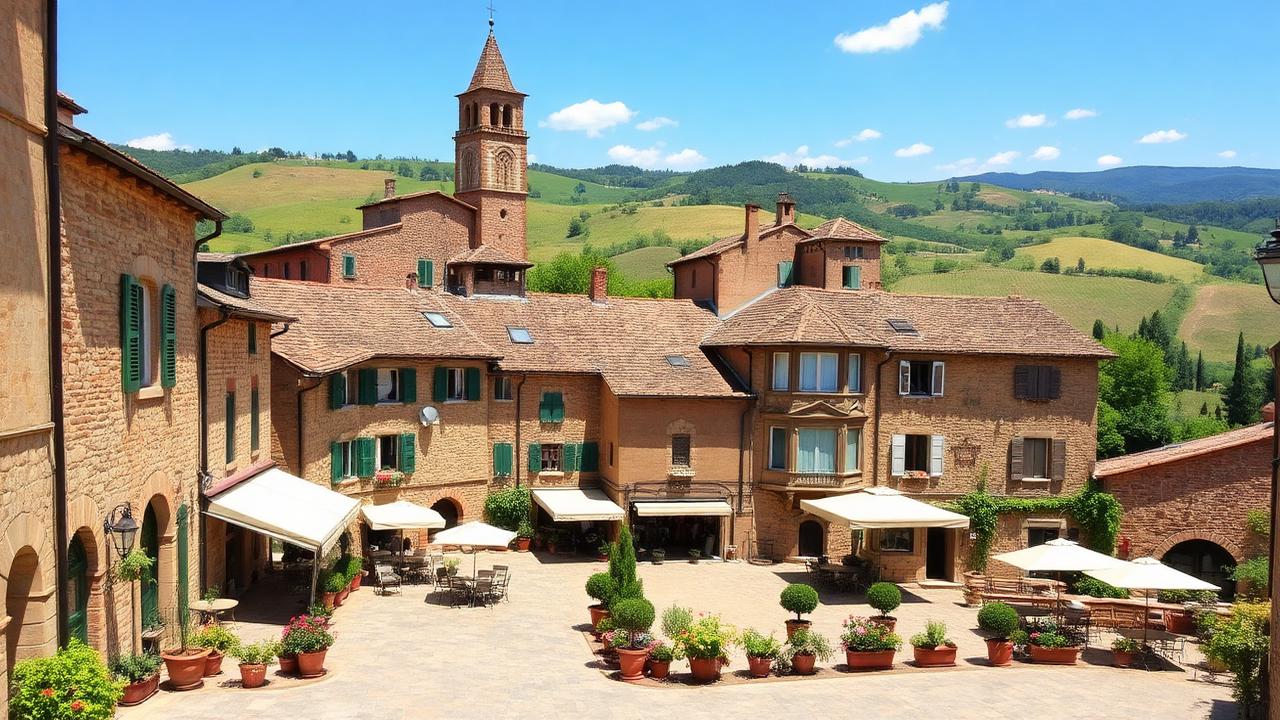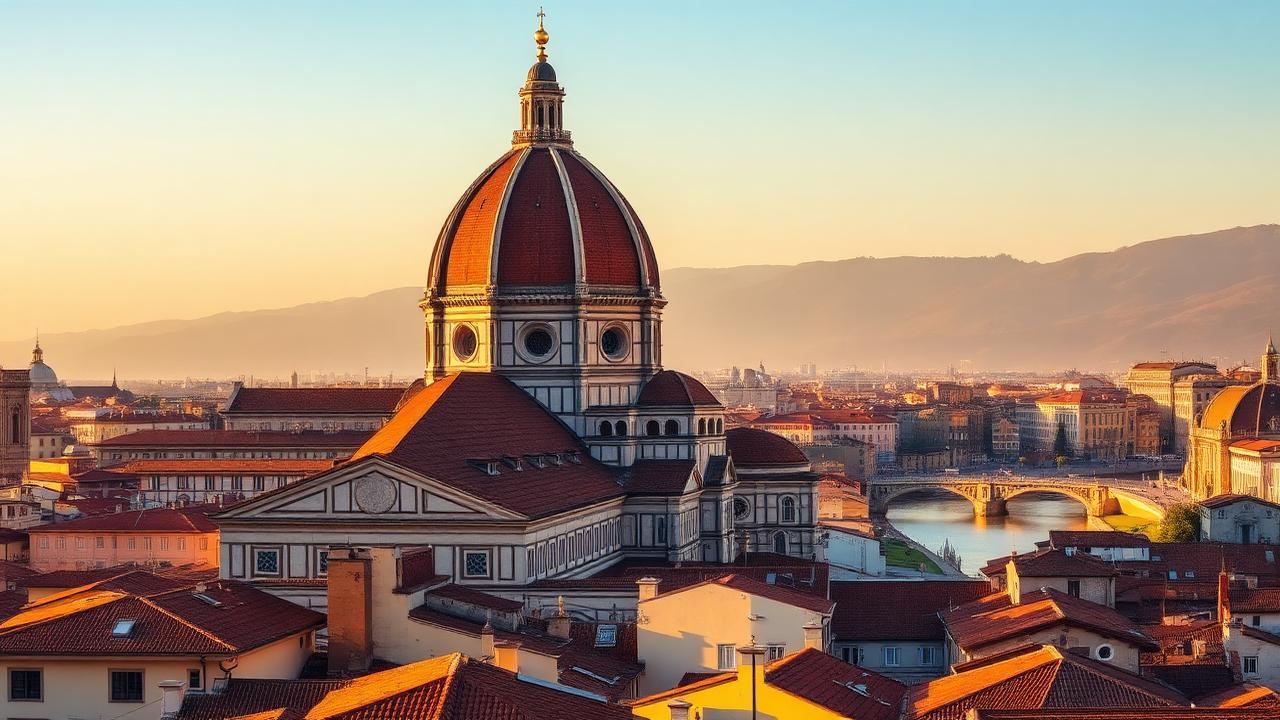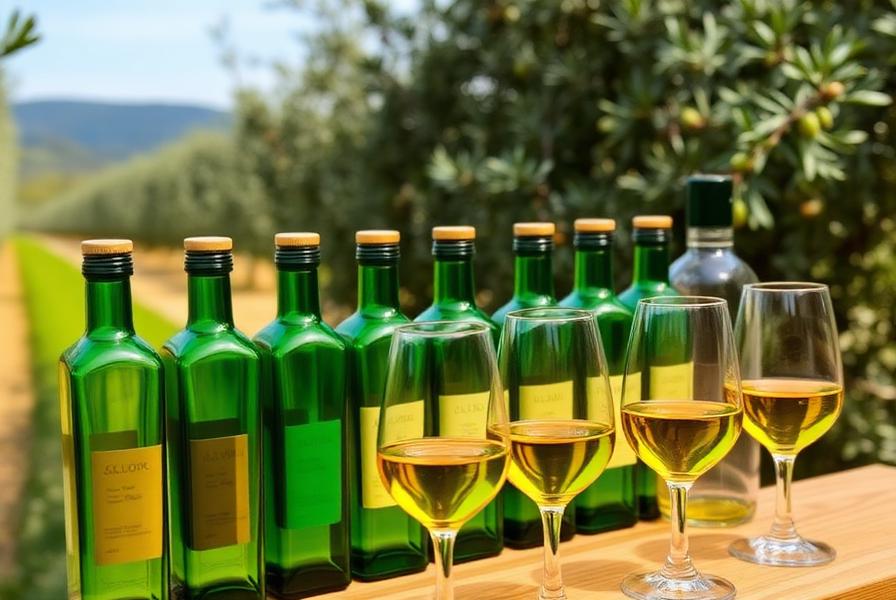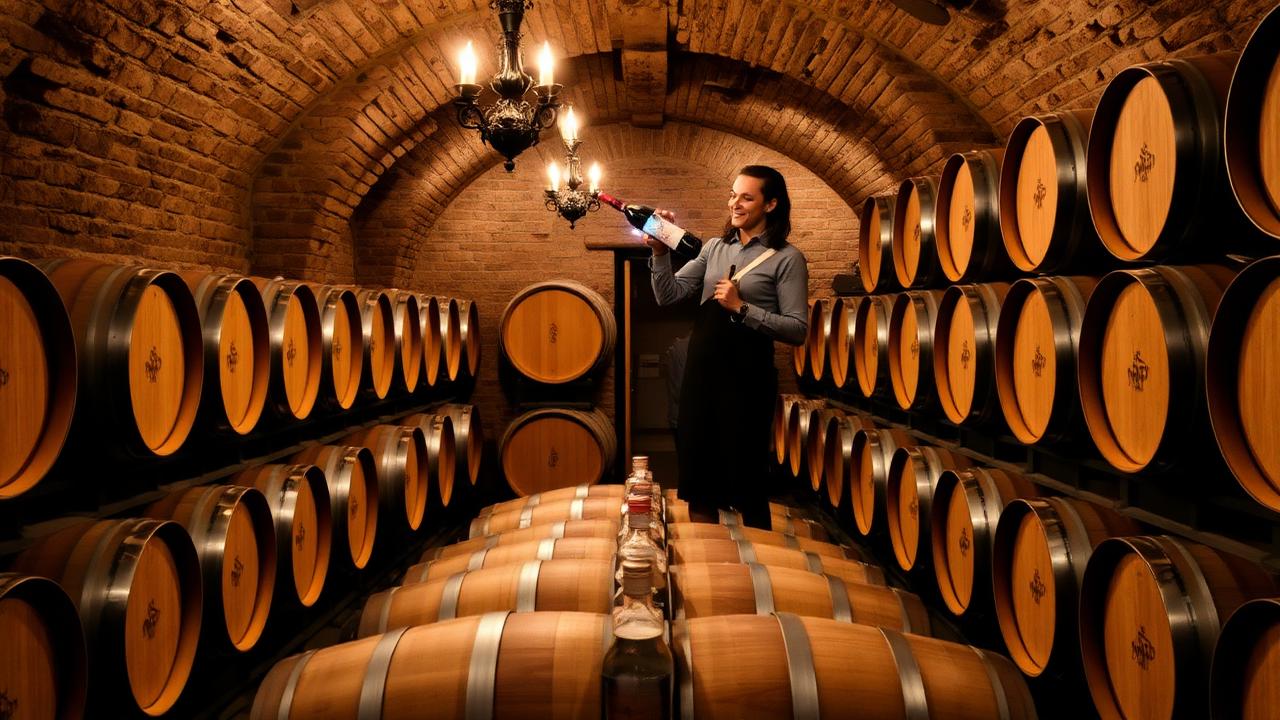
Tuscany is to Italian wine what Bordeaux is to French wine — the spiritual heartland, the gold standard, the region that sets the pace. But unlike Bordeaux's relative uniformity, Tuscany offers a staggering diversity of terroirs, grape varieties, and winemaking philosophies, all within a few hours' drive of each other.
Chianti Classico: The Heart of Tuscan Wine
The Chianti Classico zone, stretching between Florence and Siena, is probably the most famous wine region in Italy. The area earned its "Classico" designation in 1716, making it one of the world's first officially defined wine regions — centuries before France's AOC system.
The star grape is Sangiovese, which must comprise at least 80% of any Chianti Classico blend. The best examples deliver bright cherry and plum fruit, earthy undertones, firm tannins, and a distinctive savory quality that makes them extraordinary food wines.
Key producers to visit: Castello di Ama (spectacular contemporary art collection alongside world-class wines), Fontodi (biodynamic pioneer in Panzano's famous "Conca d'Oro"), and Badia a Coltibuono (a 1,000-year-old abbey with cooking classes and tastings).
What to look for: The Gran Selezione designation, introduced in 2014, represents the pinnacle of Chianti Classico — wines made exclusively from estate-grown grapes with extended aging.
Brunello di Montalcino: Italy's Most Prestigious Red
If Chianti Classico is Tuscany's heart, Brunello di Montalcino is its crown jewel. Produced exclusively from Sangiovese Grosso (locally called Brunello) in the commune of Montalcino, these wines require a minimum of five years' aging (six for Riserva) before release.
The result is a wine of extraordinary complexity — dark cherry, leather, tobacco, dried herbs, and an almost infinite capacity for aging. The best Brunellos can evolve beautifully for 30–50 years.
Key producers to visit: Biondi-Santi (the founding family of Brunello), Casanova di Neri (consistently among the highest-rated), and Poggio di Sotto (a cult favorite with a stunning estate).
Price reality: Brunello is expensive — expect €40–€150 per bottle at the cellar door. The Rosso di Montalcino, made from younger vines or earlier-drinking selections, offers a more accessible entry point at €15–€35.
Vino Nobile di Montepulciano: The Noble Wine
Often overshadowed by its more famous neighbors, Vino Nobile is one of Italy's best-value serious reds. Made primarily from Prugnolo Gentile (a Sangiovese clone) in the stunning hilltop town of Montepulciano, these wines offer a bridge between Chianti's approachability and Brunello's depth.
The town itself is one of Tuscany's most beautiful — imagine tasting world-class wines in medieval cellars carved into tufa rock, then stepping outside to a piazza designed by Antonio da Sangallo the Elder.
Bolgheri: The Super Tuscan Revolution
The coastal village of Bolgheri changed Italian wine forever. In the 1960s, Marchese Mario Incisa della Rocchetta planted Cabernet Sauvignon and Cabernet Franc on his Tenuta San Guido estate — varieties considered "foreign" to Tuscany. The result was Sassicaia, a wine that would eventually be recognized as one of the world's greatest.
Today, Bolgheri is home to an extraordinary concentration of premium wines: Sassicaia, Ornellaia, Masseto, and dozens of excellent smaller producers. The style is distinctly more "international" than inland Tuscany — richer, more full-bodied, with the influence of the Mediterranean climate evident in every sip.
Vernaccia di San Gimignano: Tuscany's Great White
In a region dominated by red wines, Vernaccia di San Gimignano stands proudly as Tuscany's premier white. This crisp, mineral-driven wine was the first Italian wine to receive DOC status in 1966.
The best examples offer notes of citrus, almond, and white flowers with a distinctive bitter-almond finish. Pair it with the local saffron dishes for a perfect Tuscan experience.
Planning Your Wine Tour
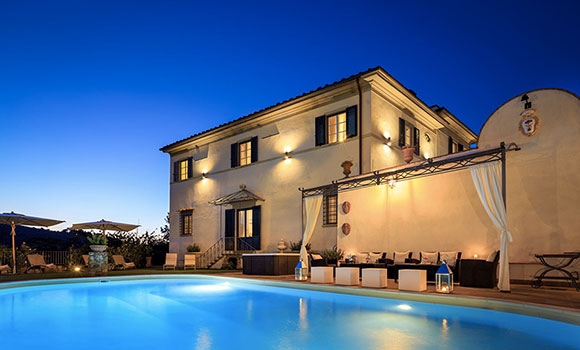
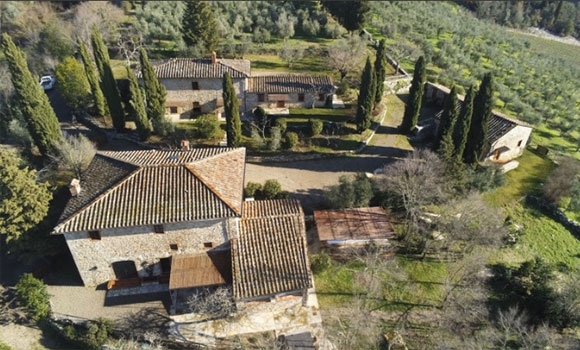
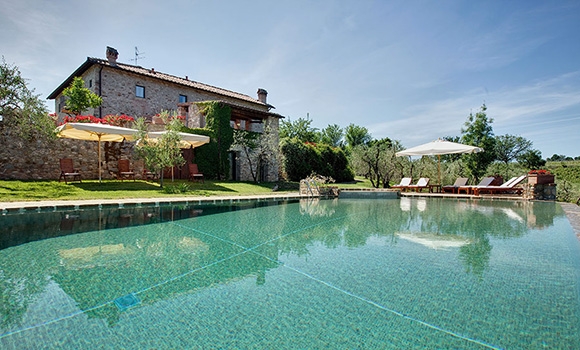
A well-planned Tuscan wine tour should include at least three regions over 5–7 days. We recommend basing yourself in one of our Chianti villas for easy access to Chianti Classico, with day trips to Montalcino (90 minutes south) and Montepulciano (2 hours south). For Bolgheri, consider a separate day trip from a coastal base.
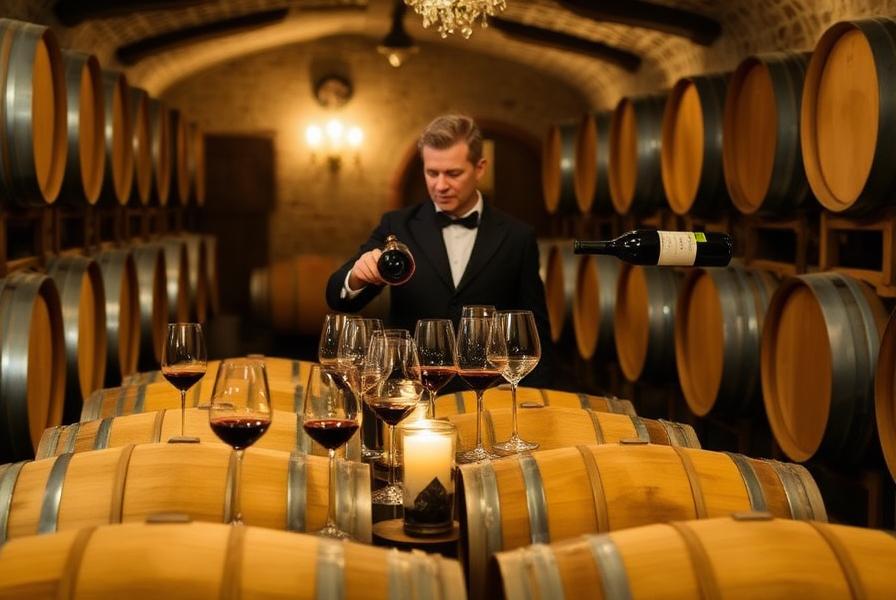
Always book tastings in advance — especially at prestigious estates — and never drive after tasting. Our concierge team can arrange private drivers and curated itineraries tailored to your palate.