Luxury Villas in Chianti Wine Country
Private-pool villas and restored estates among the vineyards of Greve, Radda and Gaiole.
Chianti is the landscape that defines Tuscany in the world's imagination — a tapestry of vineyard-draped hills, cypress-lined roads, and stone farmhouses perched above valleys that have been cultivated since Etruscan times. This is where the art of winemaking reaches its purest expression, where every village piazza tells centuries of history, and where the rhythms of rural Italian life continue much as they have for generations.
The Chianti Classico wine region, stretching between Florence and Siena along the ancient Via Chiantigiana (SS222), was officially designated in 1716 by Grand Duke Cosimo III de' Medici — making it one of the world's first defined wine appellations. Today, the black rooster (Gallo Nero) that symbolizes the Chianti Classico consortium is a mark of quality recognized worldwide. The legend behind the symbol is delightful: in the Middle Ages, Florence and Siena agreed to settle their border dispute by sending horsemen at cockcrow. Florence used a black rooster, which — being underfed — crowed early, giving the Florentine rider a head start and claiming most of Chianti for Florence.
Beyond the vineyards, Chianti offers a wealth of experiences that most visitors never discover. Romanesque parish churches (pievi) hide along country lanes, their austere stone interiors a stark contrast to the ornate Renaissance churches of Florence. Medieval castles converted into luxury wine estates offer tastings in underground cellars that haven't changed in centuries. Artisan workshops preserve traditions in ceramics, wrought iron, and leather. And the culinary tradition — built on simplicity and extraordinary ingredients — ranges from peppery extra-virgin olive oil pressed in November to hand-rolled pici pasta with wild boar ragù, from crostini neri (chicken liver crostini) served at every trattoria to the schiacciata con l'uva (grape focaccia) that marks the harvest season.
Key Villages of Chianti Classico
Greve in Chianti — The unofficial capital of Chianti Classico, Greve is the best starting point for any exploration of the region. Its iconic arcaded Piazza Matteotti hosts a Saturday morning market where local farmers sell produce, cheese, and cured meats. The legendary Macelleria Falorni butcher shop has operated here since 1729, and its adjacent wine bar offers tastings of hundreds of local wines from a self-service Enomatic dispensing system. The annual Expo del Chianti Classico in September is the premier wine event of the region.
Radda in Chianti — A perfectly preserved medieval hilltop village that once served as the capital of the historic Chianti League (Lega del Chianti), the military alliance formed in 1384 to protect the territory between Florence and Siena. Walking Radda's narrow streets, you pass under stone archways, past iron-studded doors, and along walls that have stood since the 13th century. The views from the ancient ramparts stretch across valleys of vineyards and olive groves to the distant towers of Siena.
Gaiole in Chianti — Surrounded by some of the region's most prestigious wine estates, Gaiole is a paradise for serious wine lovers. Castello di Brolio, the dramatic fortress where Baron Bettino Ricasoli created the modern Chianti blend in 1872 (roughly 80% Sangiovese, 15% Canaiolo, 5% Malvasia), dominates the landscape. Nearby estates like Castello di Ama — which doubles as a contemporary art gallery with site-specific installations by artists like Anish Kapoor — show that Chianti's creative spirit extends far beyond wine.
Panzano in Chianti — Home to the famous Conca d'Oro (Golden Bowl), a natural amphitheater of south-facing vineyards that produces some of the most celebrated Chianti wines thanks to its exceptional microclimate. Panzano is also where you'll find Dario Cecchini, Italy's most famous butcher and a poet-philosopher of meat, whose Officina della Bistecca offers a theatrical dining experience that has become a pilgrimage site for food lovers worldwide. His shop, Antica Macelleria Cecchini, has been in the family for eight generations.
Castellina in Chianti — Sitting at a strategic crossroads between Florence and Siena, Castellina retains its medieval fortified character with the atmospheric Via delle Volte, a vaulted underground passage that once served as a defensive corridor. Today, the town is home to several excellent wine estates and a small but fascinating Etruscan archaeological museum, reminding visitors that this land was cultivated long before the Romans arrived.
Understanding Chianti Wine
Chianti is one of the most misunderstood wine regions in the world. Many people associate the name with the cheap straw-covered bottles (fiaschi) that once filled Italian-American restaurants. Modern Chianti Classico couldn't be more different — it's a sophisticated, terroir-driven wine that stands alongside the world's great Sangiovese expressions.
The Classification System — Understanding Chianti's hierarchy helps you choose wisely. Chianti Classico DOCG (annata) is aged at least 12 months and offers fresh, vibrant fruit. Chianti Classico Riserva requires 24 months aging (including 3 months in bottle), producing deeper, more complex wines. Chianti Classico Gran Selezione, introduced in 2014, is the pinnacle — single-vineyard or top selection wines aged 30 months, representing the finest expression of each estate.
The Sangiovese Grape — Sangiovese is Chianti's soul. It thrives in the region's combination of altitude (250–600 meters), galestro and alberese soils (a mix of clay-schist and limestone), and the moderating influence of both mountains and Mediterranean warmth. The grape produces wines with bright cherry fruit, firm tannins, and a distinctive earthy, savory quality that Italians call sapidità.
Top Estates to Visit — Castello di Ama (Gaiole), Fontodi (Panzano), Fèlsina (Castelnuovo Berardenga), Badia a Coltibuono (Gaiole), Castello di Volpaia (Radda), Antinori nel Chianti Classico (Bargino), Isole e Olena (Barberino Val d'Elsa), and Castello di Monsanto (Barberino). Each offers a different perspective on the region's extraordinary diversity.
Practical Tips for Chianti
Getting Around — The Chiantigiana (SS222) is the main artery, but the real Chianti is found on the secondary roads and white gravel strade bianche. A GPS is essential — road signs can be sparse. Drive slowly and enjoy the scenery; there's no better road trip in Italy. If you plan to taste seriously, hire a private driver — Italian drink-driving laws are strict (0.05% BAC limit).
Olive Oil Season — November is olio nuovo (new oil) season. Many estates open their frantoi (olive presses) for visits, and you can taste the vivid green, peppery oil minutes after pressing. It's an experience that will permanently change how you think about olive oil. The best oil comes from a blend of Moraiolo, Leccino, and Frantoio olive varieties.
Cooking Classes — Several estates and cooking schools offer hands-on Tuscan cooking classes, often beginning with a market visit or ingredient foraging. Popular options include classes at Badia a Coltibuono (in a stunning 11th-century abbey), the cooking school at Villa Bordoni, and private lessons with local home cooks arranged through agriturismo hosts.
Cycling — Chianti's rolling hills and quiet roads make it one of Europe's premier cycling destinations. The annual L'Eroica event (first Sunday of October) celebrates vintage cycling with thousands of riders on original strade bianche using steel-frame bikes. Year-round, bike rental shops in Greve and Radda offer road and e-bikes with suggested routes.
Villas and Estates in Chianti
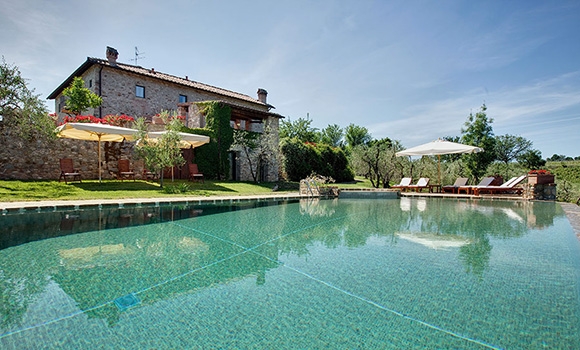
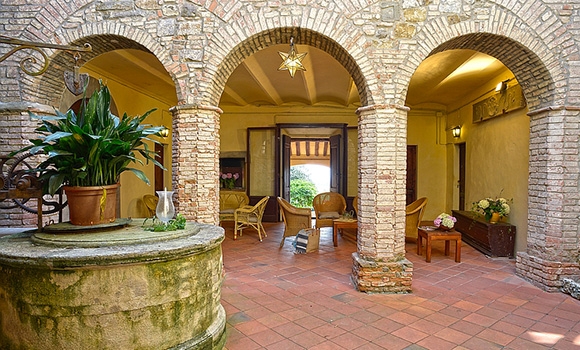
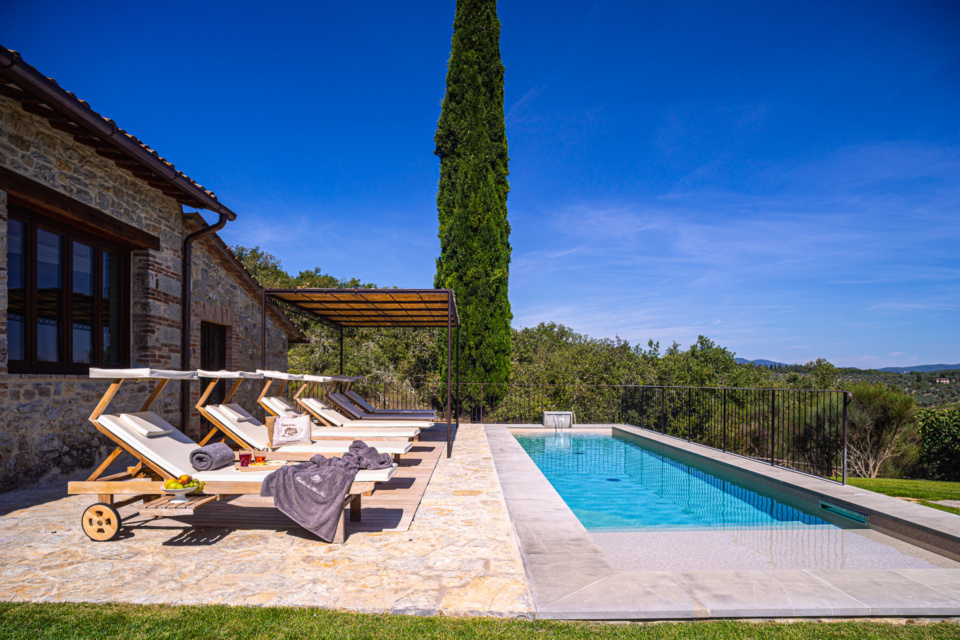
Compare bedrooms, guest capacity, amenities and indicative weekly pricing before requesting availability.


Find your Chianti villa
Share your dates, group size and preferred area. Our concierge will return a tailored shortlist with availability and weekly quotes.
Request a tailored shortlistExplore More of Tuscany
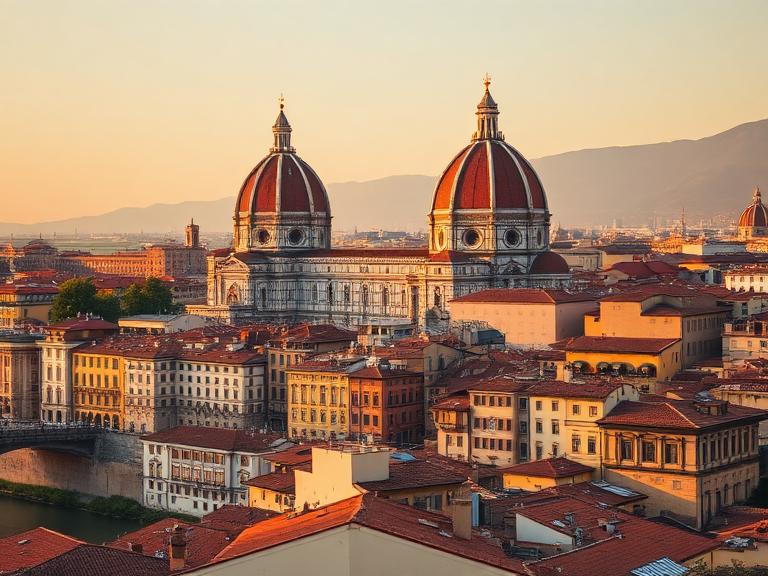
Discover other enchanting destinations across Tuscany, each with its own unique character.
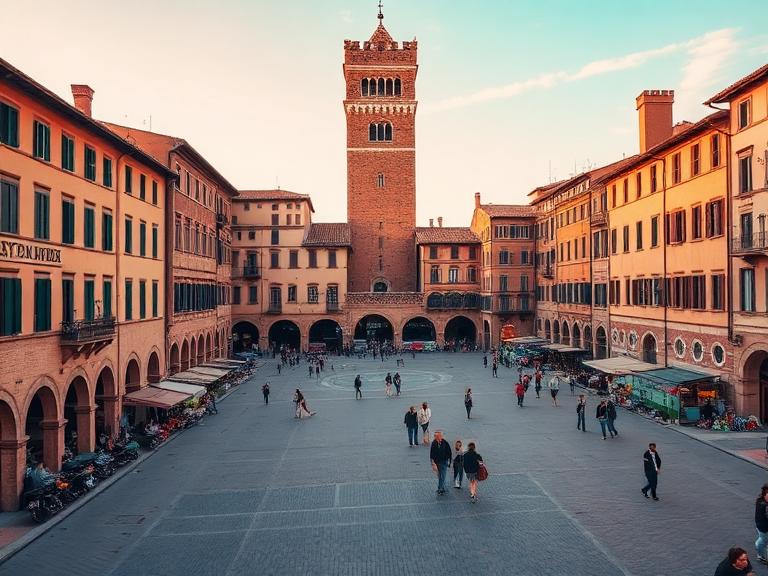
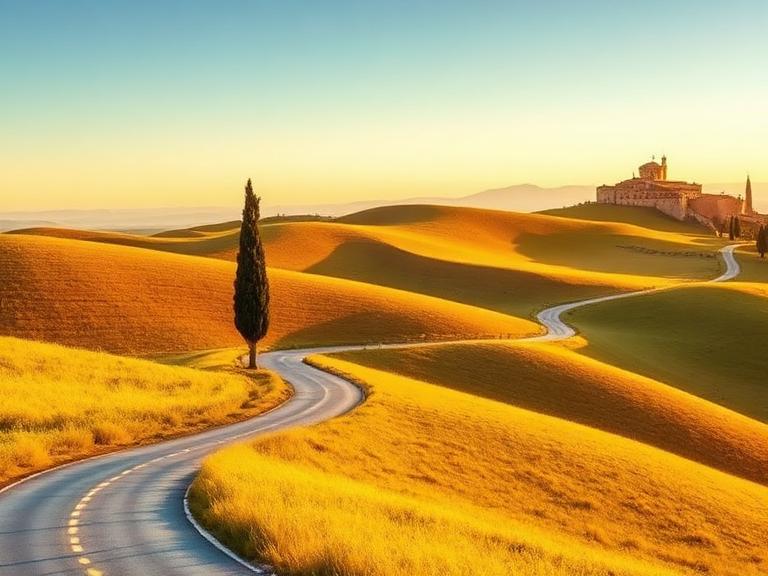
Chianti FAQ
Where to Stay
Luxury Villas in Chianti
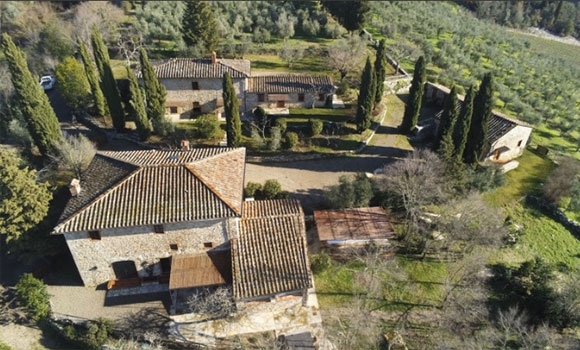
Radda in Chianti, Siena
Borgo in Chianti
A spacious villa in the heart of Chianti, perfect for retreats
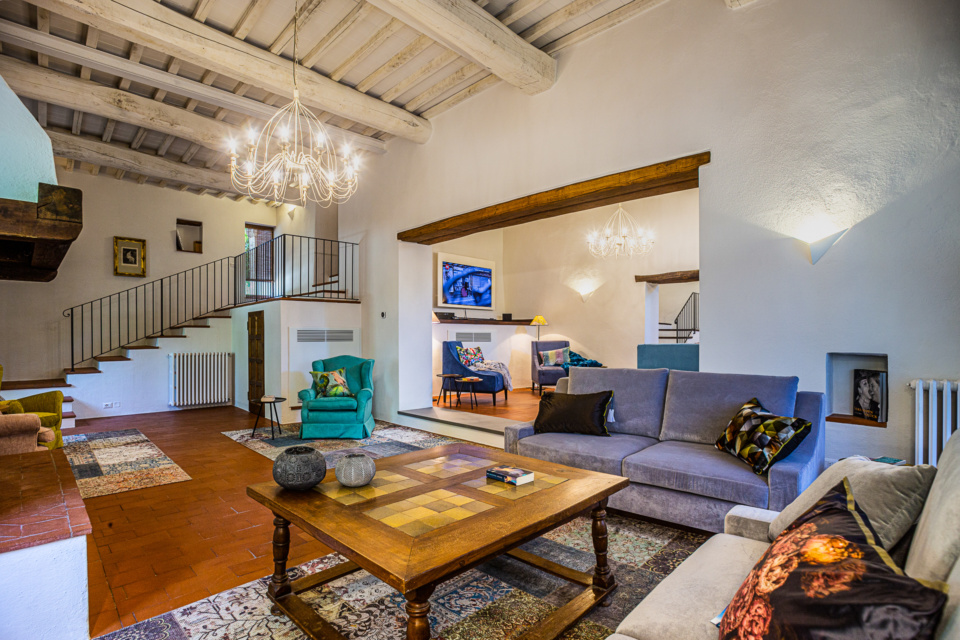
Gaiole in Chianti, Siena
San Polino
A charming borgo of three villas with infinity pool in the Chianti hills
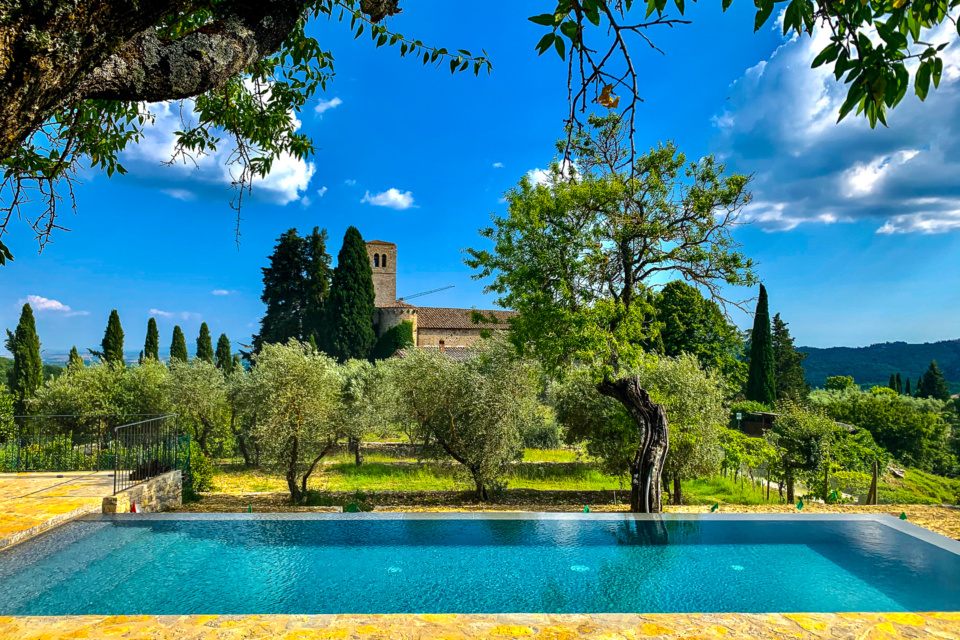
Gaiole in Chianti, Siena
Casa all'Erta
Beautifully restored stone farmhouse with views of the Chianti hills and castle
What to Do
Curated Tuscany Experiences
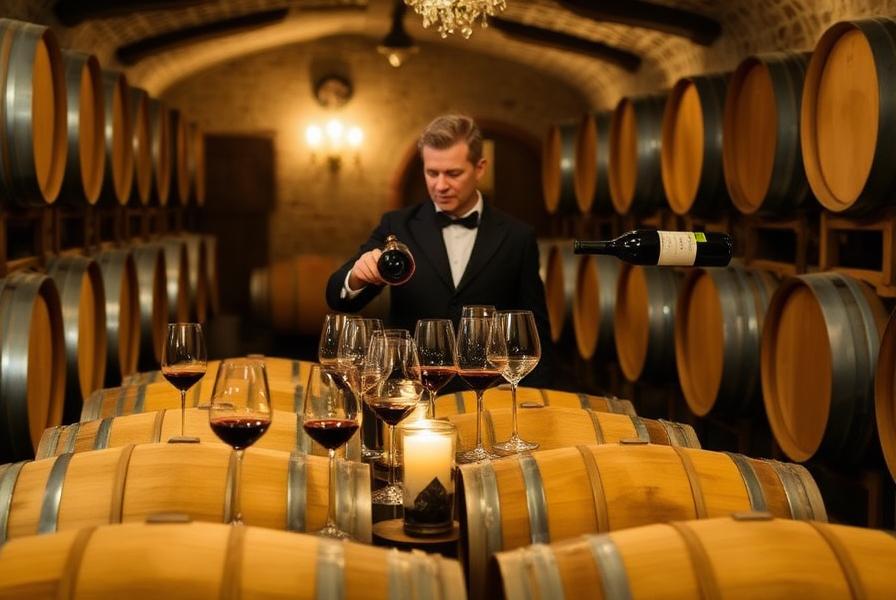
Full day (6–8 hours)
Private Wine Tasting & Vineyard Tour
Discover the soul of Tuscan winemaking in private cellars
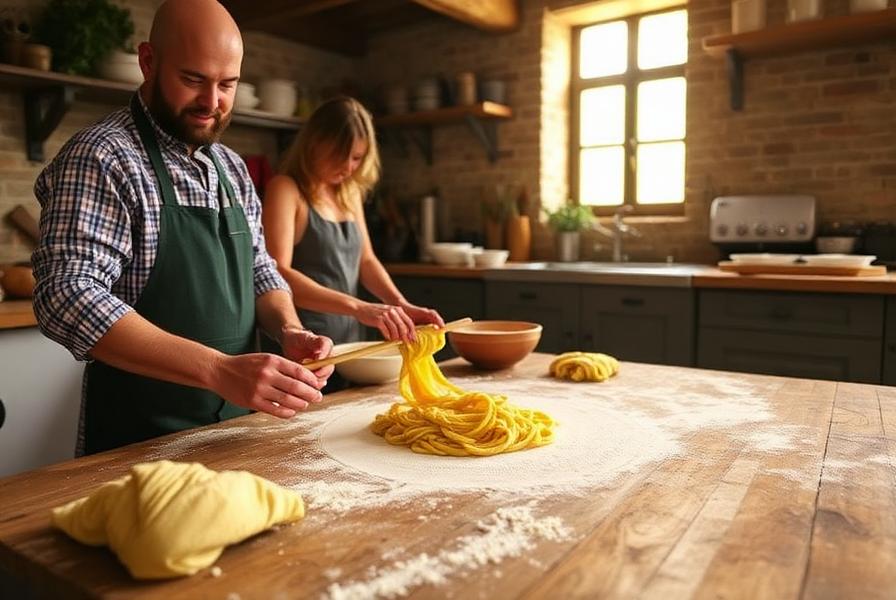
Half day (4–5 hours)
Hands-On Cooking Class
Master the art of Tuscan cuisine in an authentic farmhouse
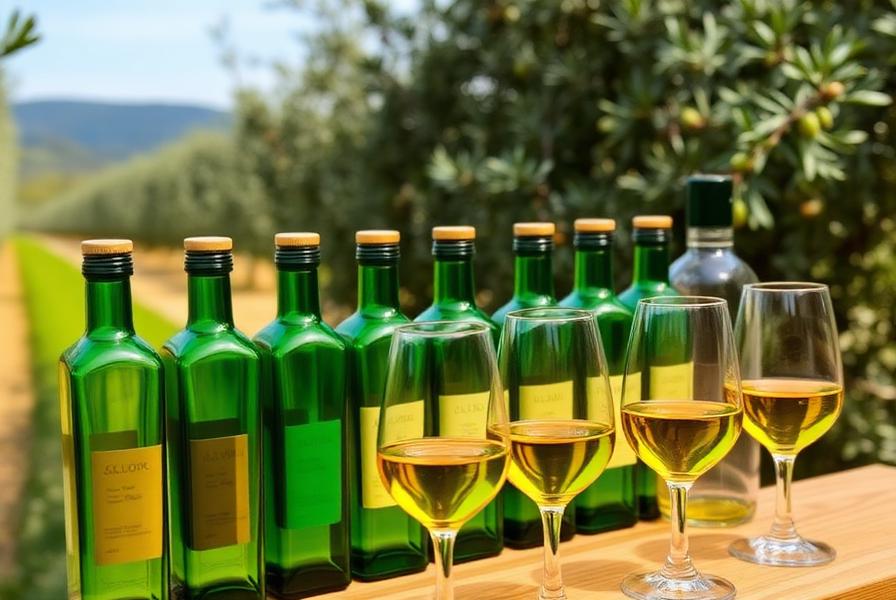
Half day (2–3 hours)
Extra Virgin Olive Oil Tasting
Learn to distinguish the liquid gold of Tuscany
From Our Journal
Tuscany Reading & Insights
- 12 min readThe Best Time to Visit Tuscany: A Month-by-Month Guide for 2026From the spring wildflowers to the autumn wine harvest, each season in Tuscany offers something magical. Here's exactly when to go based on what you want to experience.
- 15 min readTuscany Wine Regions: The Complete Guide to Chianti, Brunello & BeyondTuscany produces some of the world's finest wines. From the rolling hills of Chianti to the sun-baked slopes of Montalcino, here's your expert guide to every major wine region.
- 14 min read21 Unforgettable Things to Do in Chianti, TuscanyChianti is far more than wine country. From medieval castles and thermal springs to artisan workshops and sunrise hot air balloon rides, here are 21 experiences that make Chianti extraordinary.
Curated Collections
Plan a Trip Around a Theme
- Wedding VenuesPrivate Tuscany & Lake Como estates for destination weddings: exclusive-use buy-outs, 12+ guests on site, vetted vendors and a dedicated planner.
- Family VillasFamily villas in Tuscany & Lake Como: safe pools, gardens, quiet roads and child-friendly amenities. Cots and private chef on request — quotes on inquiry.
- Honeymoon StaysRomantic villas for two in Tuscany & Lake Como: private pool or lakefront, panoramic terrace, in-villa chef and total privacy. Quotes on inquiry.
- Large GroupsEstates in Tuscany & Lake Como for 14+ guests: en-suite bedrooms, big living spaces, pool and on-site staff. Great for family reunions — quotes on inquiry.