Florence
The cradle of the Renaissance — art, architecture, and culinary excellence at every turn
Florence is not merely a city — it is an open-air museum, a living testament to human creativity at its zenith. Walking the same streets that Dante, Michelangelo, and Botticelli once walked, you encounter beauty at every turn: from the soaring dome of Brunelleschi's cathedral to the intimate perfection of a Renaissance courtyard, from the golden light on the Arno at sunset to the aroma of freshly baked schiacciata drifting from a neighborhood bakery.
What sets Florence apart from other great European cities is the sheer density of its artistic heritage. Within a few square kilometers, you'll find more Renaissance masterpieces per square meter than anywhere else on Earth. The Uffizi alone contains works that most national museums would build entire wings around — Botticelli's Primavera and Birth of Venus, Leonardo's Annunciation, Raphael's Madonna of the Goldfinch, Titian's Venus of Urbino. And that's just one museum in a city with over 80.
But Florence's genius extends far beyond its famous museums. It lives in the artisan workshops of the Oltrarno quarter, where craftspeople still practice centuries-old techniques in leather, gold, paper marbling (carta marmorizzata), and pietra dura (inlaid semi-precious stone). It lives in the city's trattorie, where bistecca alla fiorentina — a thick-cut T-bone from Chianina cattle, grilled rare over oak coals — represents a culinary tradition of noble simplicity. And it lives in the daily rituals of Florentine life: the morning espresso at the corner bar, the afternoon passeggiata along the Lungarno, the aperitivo on a terrace overlooking the city's terracotta rooftops.
Florence was the birthplace of the Renaissance, opera, modern Italian language (thanks to Dante), and even the concept of banking as we know it (the Medici family essentially invented international finance). Understanding this history isn't just academic — it enriches every moment of your visit, transforming a walk across a bridge or a glance at a fresco into a conversation with 700 years of human achievement.
Must-See Highlights
The Duomo Complex — Brunelleschi's iconic dome (completed in 1436) remains the largest masonry dome ever constructed, an engineering marvel that took 16 years to build and still dominates the Florentine skyline. Climb the 463 steps between the inner and outer shells for an unforgettable panorama — and an intimate look at Vasari's enormous Last Judgment fresco covering the interior. Don't miss the adjacent Baptistery with Ghiberti's bronze "Gates of Paradise" and Giotto's elegant bell tower.
Uffizi Gallery — From Cimabue's revolutionary Maestà (the painting that sparked the Renaissance) to Caravaggio's visceral Medusa, the Uffizi chronicles the entire arc of Italian art from medieval through Mannerist. Allow at least 3–4 hours, and consider a private guide who can help you navigate the 45 rooms without overwhelm. The Vasari Corridor, a private elevated walkway connecting the Uffizi to the Pitti Palace across the Arno, occasionally opens for special tours.
Galleria dell'Accademia — Home to Michelangelo's David (1504), arguably the most famous sculpture in the world. But don't rush past the Prisoners (or Slaves) — four unfinished sculptures that reveal Michelangelo's technique of "liberating" the figure from the marble block. The museum also houses an important collection of musical instruments.
Ponte Vecchio — The oldest bridge in Florence, rebuilt in 1345, has been lined with goldsmiths and jewelers since the 16th century when Ferdinand I de' Medici evicted the butchers and tanners for aesthetic reasons. At sunset, the bridge glows gold, and the views upriver toward the Uffizi and downriver toward the hills create one of Italy's most photographed scenes.
Oltrarno & Santo Spirito — The "other side of the Arno" is Florence's most authentic neighborhood. The Palazzo Pitti — the Medici's primary residence — houses five museums and the magnificent Boboli Gardens behind. But the real magic is in the streets: artisan workshops (bookbinders, frame makers, leather craftsmen), the bohemian Piazza Santo Spirito with its morning market and evening aperitivo scene, and restaurants that cater to locals rather than tourists.
San Lorenzo & Medici Chapels — The Basilica of San Lorenzo was the Medici family parish church, and its Medici Chapels contain Michelangelo's extraordinary sculptures of Dawn, Dusk, Day, and Night atop the tombs of Lorenzo and Giuliano de' Medici. The nearby Biblioteca Medicea Laurenziana, also designed by Michelangelo, features one of the most inventive staircases in architectural history.
Florence's Best Neighborhoods
Where you stay in Florence shapes your entire experience. Each neighborhood has its own personality, and choosing the right one can mean the difference between a good trip and an unforgettable one.
Santa Croce — The leather district, home to the Basilica of Santa Croce (where Michelangelo, Galileo, and Machiavelli are buried). Lively nightlife, excellent restaurants away from tourist crowds, and a neighborhood feel. The daily leather market can be touristy, but the side streets reveal genuine artisan workshops.
San Marco & Santissima Annunziata — The university quarter, home to the Accademia (David) and the Fra Angelico frescoes at the Monastery of San Marco. Quieter and more residential than the center, with good trattorias and a less commercial atmosphere. Piazza Santissima Annunziata is one of the most harmonious Renaissance squares in Italy.
Oltrarno & San Frediano — Florence's left bank is where artisans, artists, and young Florentines congregate. The Palazzo Pitti and Boboli Gardens anchor the eastern end, while the western San Frediano area buzzes with wine bars, vintage shops, and some of the city's best dining. This is the neighborhood for travelers who want to live like a local.
Santa Maria Novella — Near the main train station but surprisingly elegant, anchored by the stunning Gothic-Renaissance façade of the church and the historic Officina Profumo-Farmaceutica, the world's oldest pharmacy (founded 1612). Good for travelers arriving by train who want walkable access to everything.
Practical Tips for Visiting Florence
Getting Around — Florence's historic center is a ZTL (Zona Traffico Limitato), meaning only authorized vehicles can enter. If you're driving, park outside the ZTL and walk or take a taxi in. The city is best explored on foot — a comfortable pair of walking shoes is your most important accessory. For longer distances, the ATAF bus system is efficient and inexpensive.
When to Book Museums — The Uffizi and Accademia require advance booking, especially from March through October. Book at least 2–3 weeks ahead, or let us arrange private, skip-the-line guided tours. Many smaller museums (Bargello, Palazzo Davanzati, Stibbert) are often overlooked and rarely require advance booking — these hidden gems reward the curious traveler.
Dining Strategy — Lunch is typically the bigger meal in Tuscany. Many restaurants offer excellent pranzo (lunch) menus at lower prices than dinner. Avoid restaurants with photos on the menu or aggressive touts outside. The best places are often on side streets in the Oltrarno or Santa Croce neighborhoods. Reserve dinner at popular spots 2–3 days in advance.
Shopping — Florence is world-famous for leather goods, gold jewelry (Ponte Vecchio), handmade paper (Giulio Giannini & Figlio, since 1856), perfume (Officina Profumo-Farmaceutica di Santa Maria Novella), and silk. The best artisan workshops are concentrated in the Oltrarno. The San Lorenzo outdoor market is good for browsing, but quality varies — look for "Made in Italy" labels and avoid anything suspiciously cheap.
Day Trips — Fiesole (20 minutes by bus) offers Etruscan ruins, Roman theater, and stunning views of Florence. Siena, San Gimignano, and the Chianti wine country are all within 1–1.5 hours. Lucca, Pisa, and Arezzo make excellent day trips by train. We can arrange private cars with English-speaking drivers for wine country tours.
Florence Food & Wine Guide
Florentine cuisine is the foundation of all Tuscan cooking — built on simplicity, exceptional ingredients, and a deep respect for tradition. Unlike the elaborate preparations of French cuisine, Florentine food lets the ingredients speak for themselves.
Bistecca alla Fiorentina — The king of Florentine dishes: a thick-cut (at least 5 cm) T-bone steak from Chianina cattle, grilled over hot oak or olive wood coals, seasoned only with salt, pepper, and a drizzle of extra-virgin olive oil. It must be served al sangue (rare). Ordering it well-done will earn you concerned looks from the waiter.
Ribollita — A hearty bread soup made with cavolo nero (Tuscan black kale), cannellini beans, and day-old bread, slowly cooked until thick and rich. Originally a peasant dish, it's now a celebrated symbol of Tuscan cucina povera.
Lampredotto — Florence's beloved street food: slow-cooked tripe served in a crusty roll, topped with salsa verde and spicy sauce. Find it at the historic trippaio carts — the one in Piazza dei Nerli (Oltrarno) is legendary. It's the most authentically Florentine thing you can eat.
Wines — Chianti Classico DOCG is the obvious pairing for Florentine food, but explore further: Brunello di Montalcino for special occasions, Vernaccia di San Gimignano (white) for seafood, Vin Santo with cantucci biscuits for dessert. Many enotecas offer tastings by the glass, letting you explore the region's extraordinary diversity.
Gelato — Florence takes its gelato seriously. Look for shops that make their own (produzione propria) with natural colors (pistachio should be muted green-brown, not bright green). Vivoli (since 1930), La Sorbettiera, and My Sugar are local favorites.
Explore All Tuscany Properties
Base yourself in or near Florence for easy access to art, culture, and the Chianti countryside.
View All Tuscany PropertiesExplore More of Tuscany
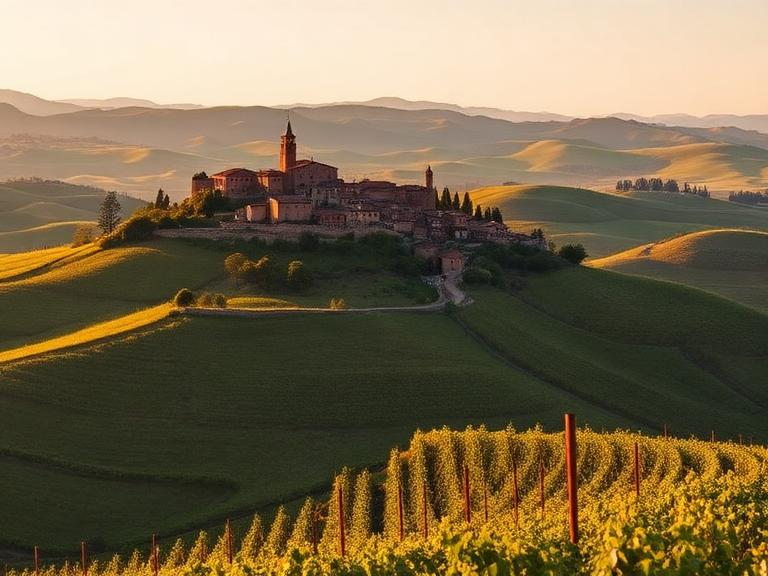
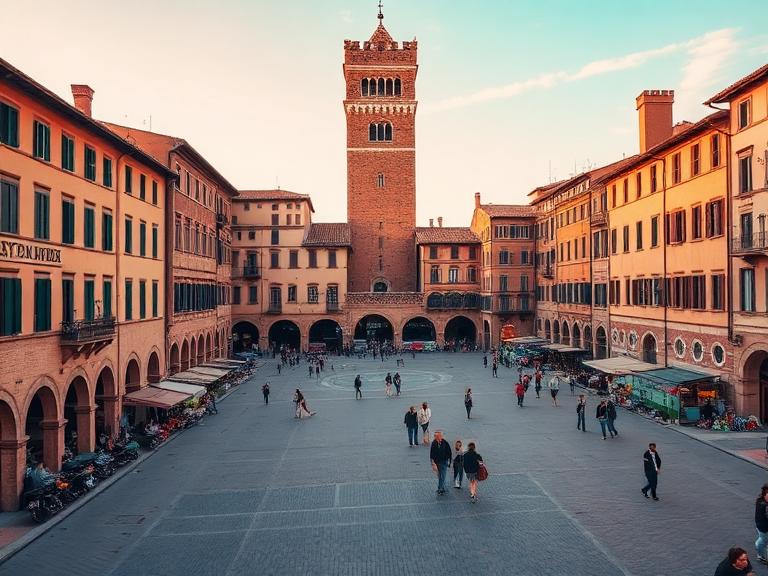
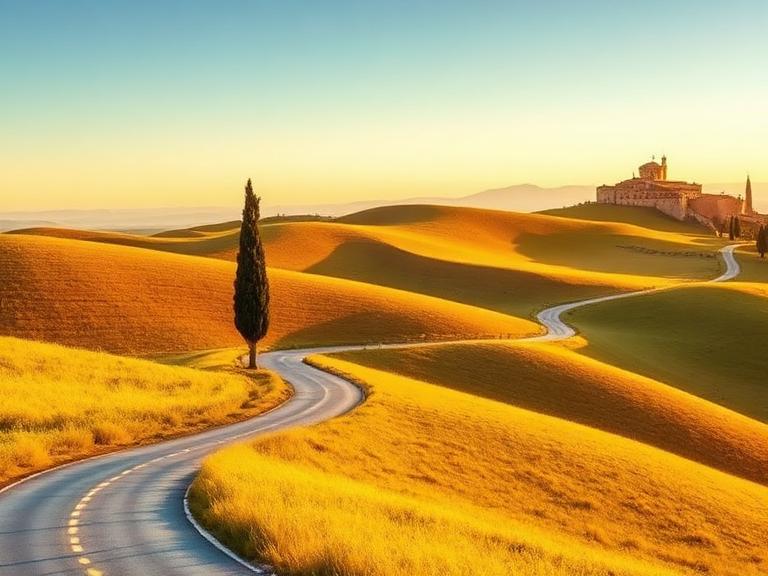
Discover other enchanting destinations across Tuscany, each with its own unique character.
Florence FAQ
Where to Stay
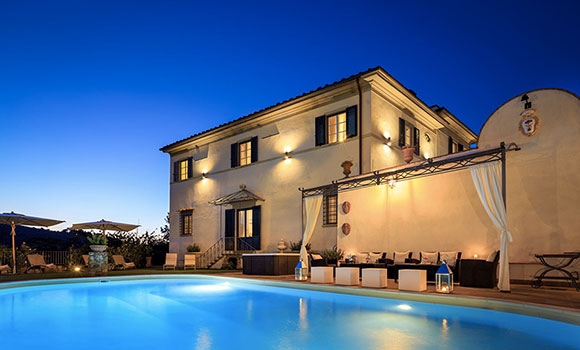
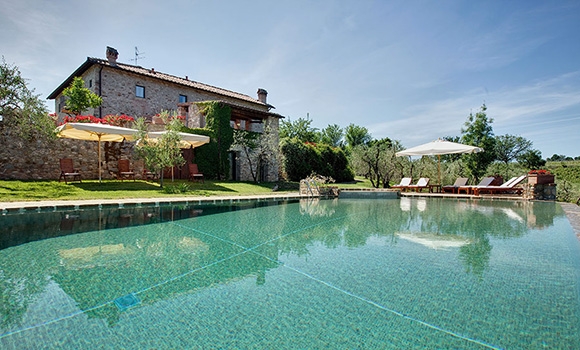
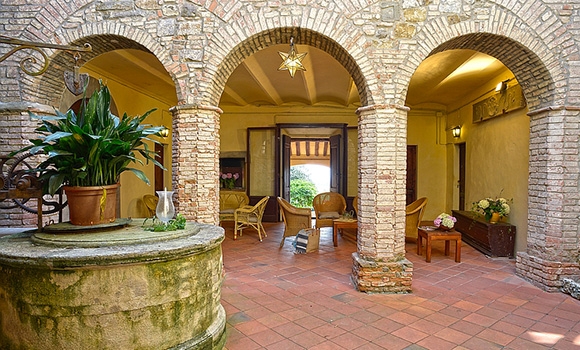
Luxury Villas in Florence
What to Do
Curated Tuscany Experiences
Full day (6–8 hours)
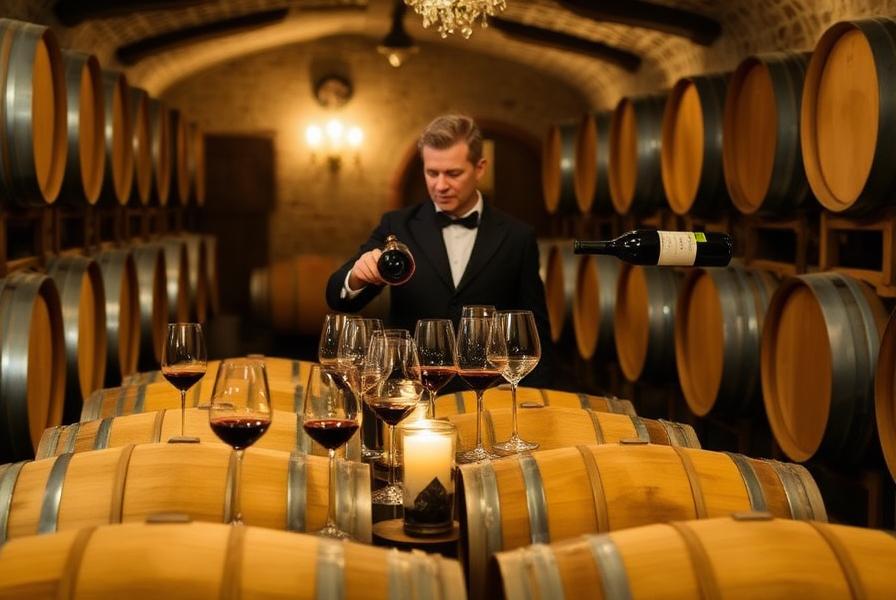
Private Wine Tasting & Vineyard Tour
Discover the soul of Tuscan winemaking in private cellars
Half day (4–5 hours)
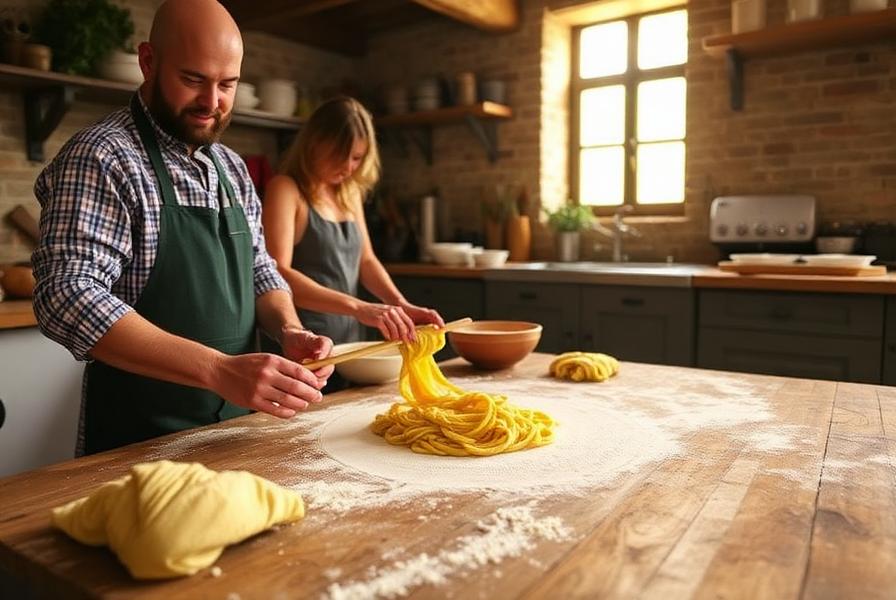
Hands-On Cooking Class
Master the art of Tuscan cuisine in an authentic farmhouse
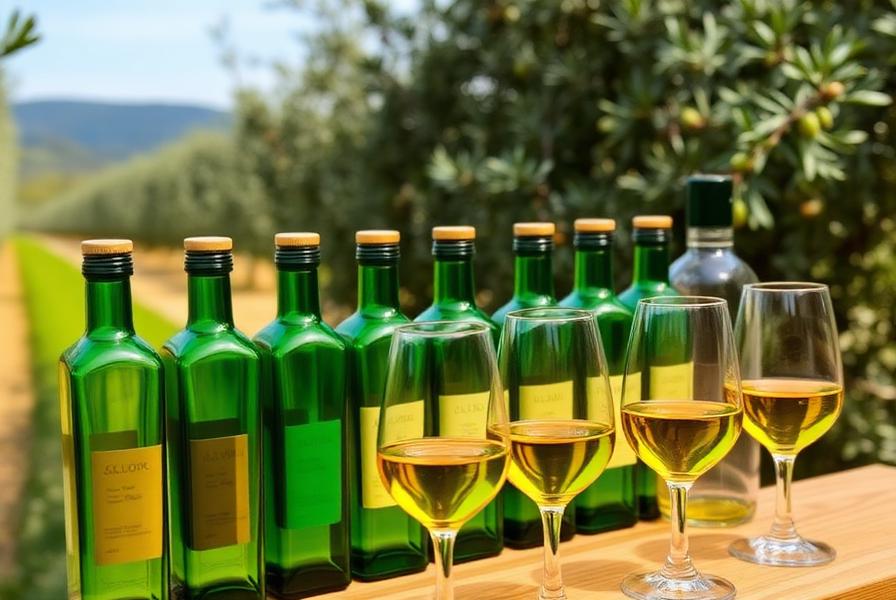
Half day (2–3 hours)
Extra Virgin Olive Oil Tasting
Learn to distinguish the liquid gold of Tuscany
From Our Journal
Tuscany Reading & Insights
- 12 min readThe Best Time to Visit Tuscany: A Month-by-Month Guide for 2026From the spring wildflowers to the autumn wine harvest, each season in Tuscany offers something magical. Here's exactly when to go based on what you want to experience.
- 15 min readTuscany Wine Regions: The Complete Guide to Chianti, Brunello & BeyondTuscany produces some of the world's finest wines. From the rolling hills of Chianti to the sun-baked slopes of Montalcino, here's your expert guide to every major wine region.
- 14 min read21 Unforgettable Things to Do in Chianti, TuscanyChianti is far more than wine country. From medieval castles and thermal springs to artisan workshops and sunrise hot air balloon rides, here are 21 experiences that make Chianti extraordinary.
Curated Collections
Plan a Trip Around a Theme
- Wedding VenuesPrivate Tuscany & Lake Como estates for destination weddings: exclusive-use buy-outs, 12+ guests on site, vetted vendors and a dedicated planner.
- Family VillasFamily villas in Tuscany & Lake Como: safe pools, gardens, quiet roads and child-friendly amenities. Cots and private chef on request — quotes on inquiry.
- Honeymoon StaysRomantic villas for two in Tuscany & Lake Como: private pool or lakefront, panoramic terrace, in-villa chef and total privacy. Quotes on inquiry.
- Large GroupsEstates in Tuscany & Lake Como for 14+ guests: en-suite bedrooms, big living spaces, pool and on-site staff. Great for family reunions — quotes on inquiry.