Tuscany · season
When to Visit Tuscany
A month-by-month guide for travellers who want it right.
Tuscany has three distinct travel seasons — and the difference between them is not just the weather, but how the countryside feels, what is open, and how many people are sharing the view. The right time depends on what you came for: bright light and long lunches, the harvest, or empty olive groves and a fire in the kitchen.
Peak season: June to early September
Temperatures sit between 28°C and 35°C, the days are long, and every villa pool is in use. Florence and Siena are at their busiest; the countryside is calmer but every restaurant requires a reservation. Book villas 4–6 months ahead.
The golden shoulder: May and late September to October
Our preferred travel windows. Daytime temperatures of 22–28°C, the landscape is either green (May) or amber (October), and most things — vineyards, restaurants, ferries — are running normally without summer crowds. The grape harvest peaks in late September.
Quiet luxury: November to March
Olive harvest (early November), truffle season (October–December for white, year-round for black), Christmas markets, and almost no other foreign visitors. Some smaller villas close; the ones that stay open offer fireplaces, deep discounts and the rare chance to walk the centro storico of Florence almost alone.
Festivals worth planning around
Palio di Siena (2 July and 16 August), Lucca Summer Festival (July), Sagra del Tartufo Bianco in San Miniato (November weekends), Carnevale di Viareggio (February). Each is worth shifting your trip by a week.
At a glance
- •May & October: best weather + light crowds
- •Late September: grape harvest in full swing
- •Early November: olive harvest + new oil tastings
- •August: peak heat, peak prices, peak crowds
- •January–February: deepest discounts, fireplaces lit
Frequently asked
More Tuscany guides
transport
Getting to Tuscany
Choosing the right airport, train and transfer for your villa.
transport
Driving in Tuscany
ZTLs, autostrade and back roads — what every renter needs to know.
family
Tuscany with Kids
The age-by-age guide to a holiday everyone enjoys.
experiences
Tuscany Honeymoon Guide
Quiet villas, candlelit vineyards and slow mornings.
Plan your Tuscany trip
Our concierge designs every itinerary around your dates, group and pace. One inquiry is all it takes.
Start your inquiryWhere to Stay
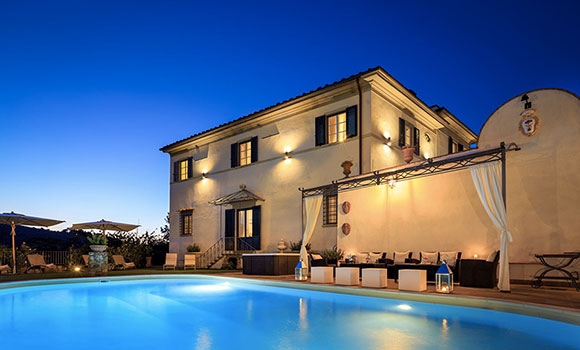
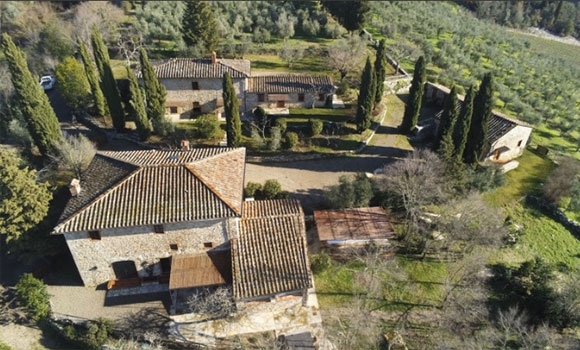
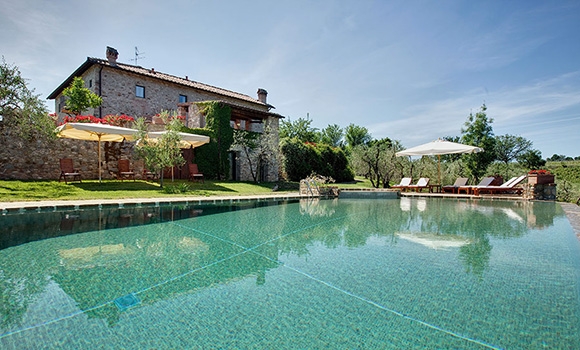
Luxury Villas in Tuscany
What to Do
Curated Tuscany Experiences
Full day (6–8 hours)
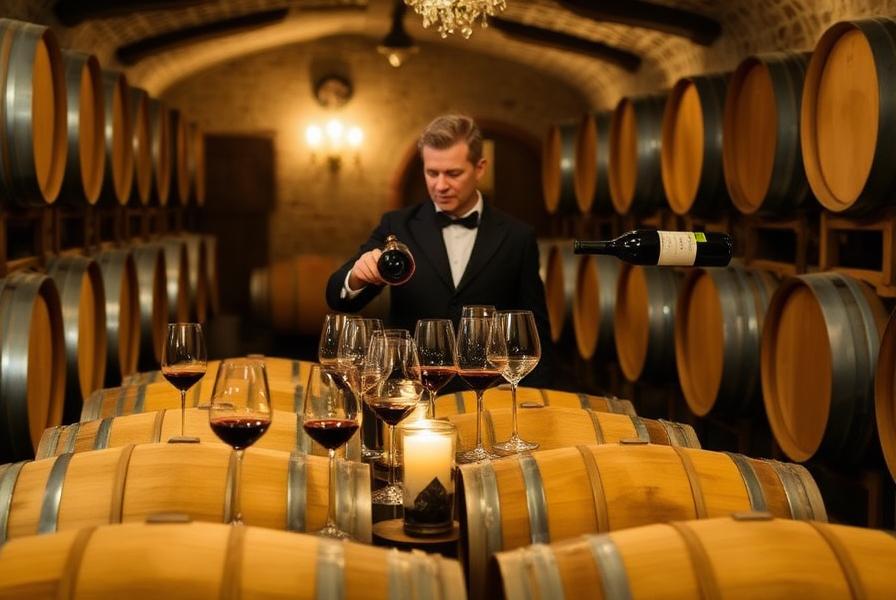
Private Wine Tasting & Vineyard Tour
Discover the soul of Tuscan winemaking in private cellars
Half day (4–5 hours)
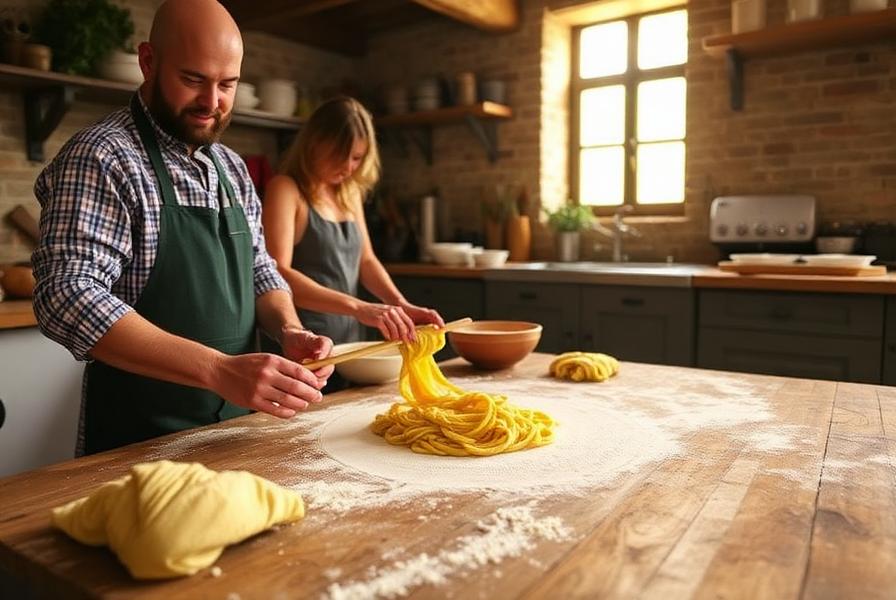
Hands-On Cooking Class
Master the art of Tuscan cuisine in an authentic farmhouse
Half day (2–3 hours)
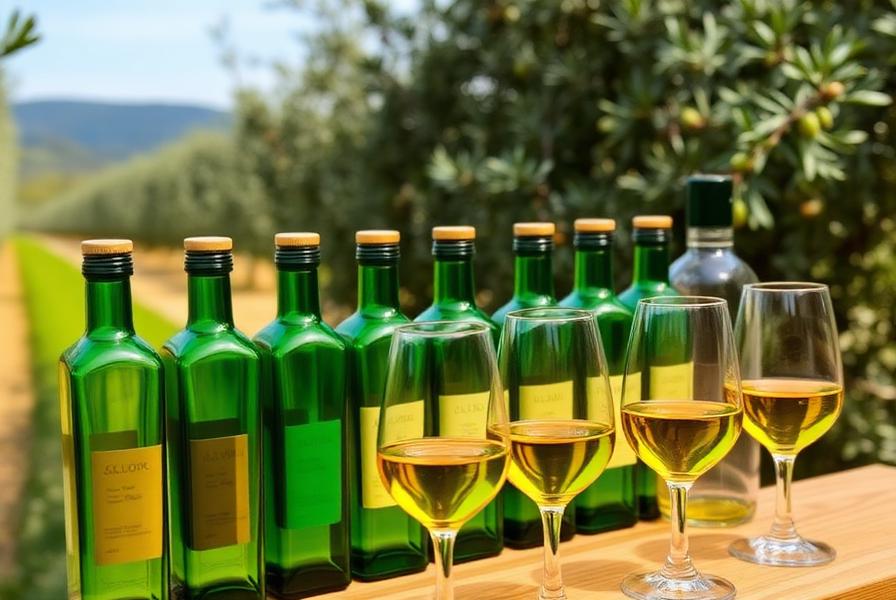
Extra Virgin Olive Oil Tasting
Learn to distinguish the liquid gold of Tuscany
From Our Journal
Tuscany Reading & Insights
- 12 min readThe Best Time to Visit Tuscany: A Month-by-Month Guide for 2026From the spring wildflowers to the autumn wine harvest, each season in Tuscany offers something magical. Here's exactly when to go based on what you want to experience.
- 15 min readTuscany Wine Regions: The Complete Guide to Chianti, Brunello & BeyondTuscany produces some of the world's finest wines. From the rolling hills of Chianti to the sun-baked slopes of Montalcino, here's your expert guide to every major wine region.
- 14 min read21 Unforgettable Things to Do in Chianti, TuscanyChianti is far more than wine country. From medieval castles and thermal springs to artisan workshops and sunrise hot air balloon rides, here are 21 experiences that make Chianti extraordinary.
Curated Collections
Plan a Trip Around a Theme
- Wedding VenuesPrivate Tuscany & Lake Como estates for destination weddings: exclusive-use buy-outs, 12+ guests on site, vetted vendors and a dedicated planner.
- Family VillasFamily villas in Tuscany & Lake Como: safe pools, gardens, quiet roads and child-friendly amenities. Cots and private chef on request — quotes on inquiry.
- Honeymoon StaysRomantic villas for two in Tuscany & Lake Como: private pool or lakefront, panoramic terrace, in-villa chef and total privacy. Quotes on inquiry.
- Large GroupsEstates in Tuscany & Lake Como for 14+ guests: en-suite bedrooms, big living spaces, pool and on-site staff. Great for family reunions — quotes on inquiry.