Tuscany · food wine
Tuscany Wine Regions Explained
Chianti, Brunello, Nobile and the Super Tuscan coast.
Tuscany has more designated wine regions than any other Italian region, and the differences between them are real — terroir, grape variety, ageing rules and price. Knowing the lay of the land helps you build a tasting trip that doesn't repeat itself.
Chianti Classico
The historic appellation between Florence and Siena — Sangiovese-based, marked with the Gallo Nero (black rooster). Top sub-zones: Radda, Gaiole, Castellina, Panzano. Tastings range from €25 at family estates to €120 at icon producers.
Brunello di Montalcino
100% Sangiovese Grosso from the hillside town of Montalcino in Val d'Orcia. Five years of ageing minimum; the most prestigious and most expensive Tuscan wine. Visit Biondi-Santi, Soldera, Casanova di Neri.
Vino Nobile di Montepulciano
Quieter, undervalued cousin of Brunello — Sangiovese-dominant, aged three years, often a third of the price for 80% of the quality. Visit Avignonesi, Boscarelli, Salcheto.
Bolgheri & the Super Tuscans
On the Maremma coast: Bordeaux-blend reds (Cabernet, Merlot, Petit Verdot) that defied the DOC rules in the 1970s and produced Sassicaia, Ornellaia, Masseto. A 90-minute drive from central Tuscany, worth a dedicated day.
At a glance
- •Chianti Classico — Sangiovese, Florence–Siena hills
- •Brunello di Montalcino — Val d'Orcia, 5-yr ageing
- •Vino Nobile — Montepulciano, undervalued sibling
- •Bolgheri — Cabernet/Merlot on the Maremma coast
- •Vernaccia di San Gimignano — Tuscany's white
Frequently asked
More Tuscany guides
season
When to Visit Tuscany
A month-by-month guide for travellers who want it right.
transport
Getting to Tuscany
Choosing the right airport, train and transfer for your villa.
transport
Driving in Tuscany
ZTLs, autostrade and back roads — what every renter needs to know.
family
Tuscany with Kids
The age-by-age guide to a holiday everyone enjoys.
Plan your Tuscany trip
Our concierge designs every itinerary around your dates, group and pace. One inquiry is all it takes.
Start your inquiryWhere to Stay
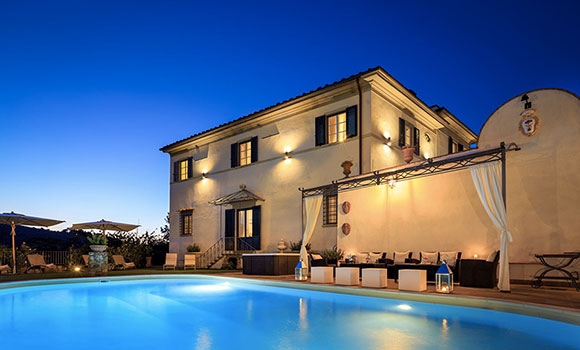
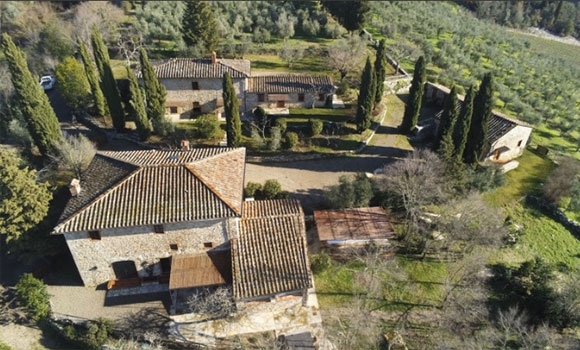
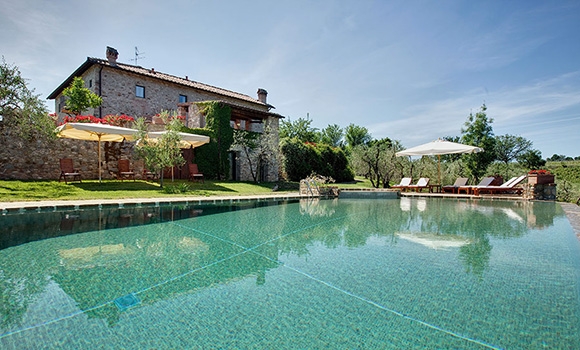
Luxury Villas in Tuscany
What to Do
Curated Tuscany Experiences
Full day (6–8 hours)
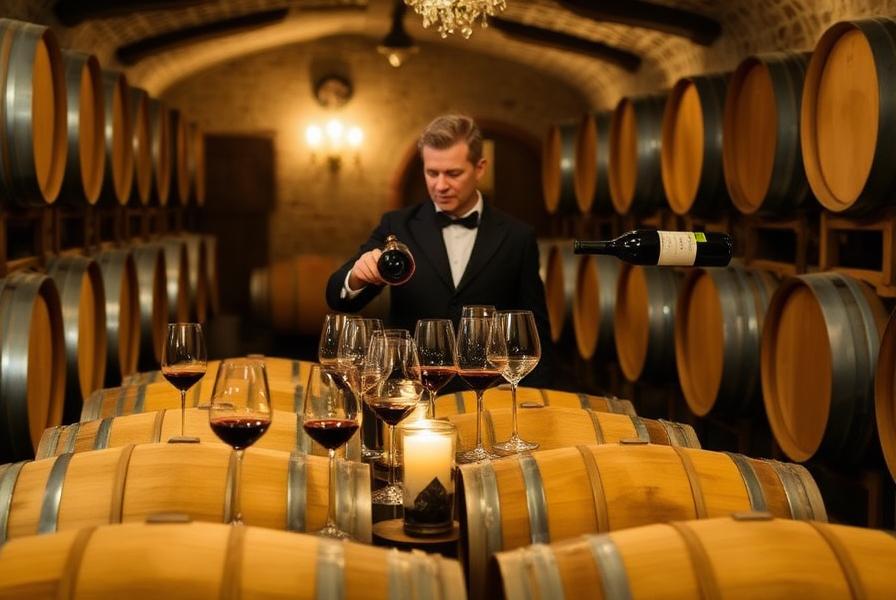
Private Wine Tasting & Vineyard Tour
Discover the soul of Tuscan winemaking in private cellars
Half day (4–5 hours)
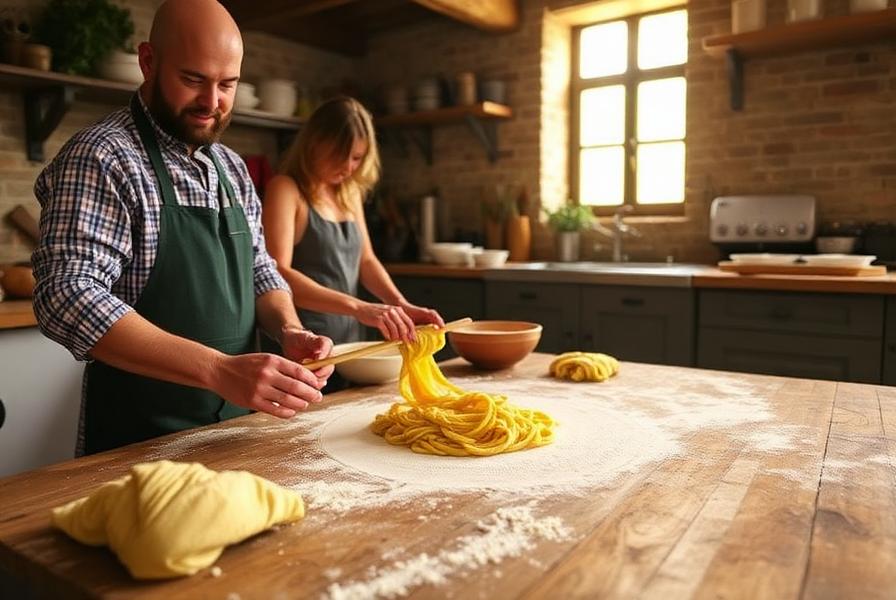
Hands-On Cooking Class
Master the art of Tuscan cuisine in an authentic farmhouse
Half day (2–3 hours)
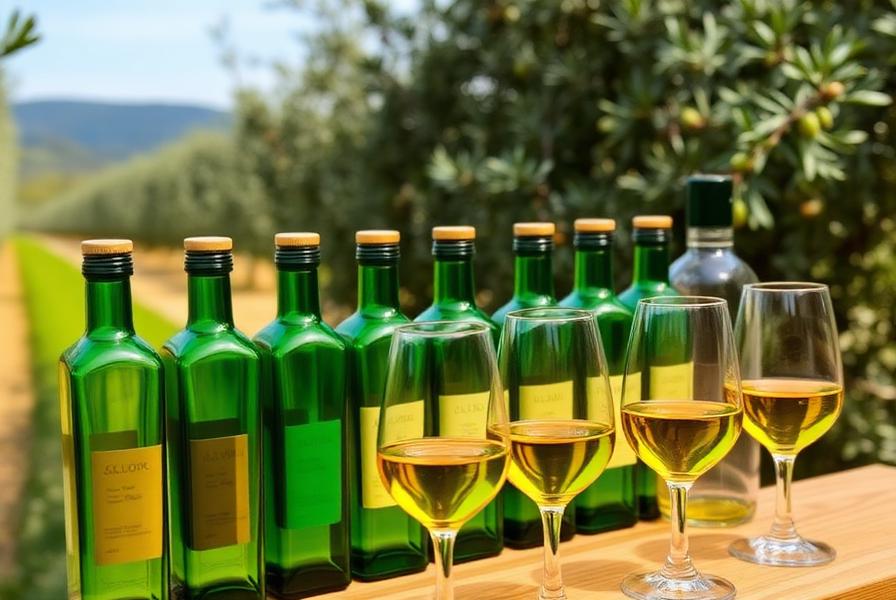
Extra Virgin Olive Oil Tasting
Learn to distinguish the liquid gold of Tuscany
From Our Journal
Tuscany Reading & Insights
- 12 min readThe Best Time to Visit Tuscany: A Month-by-Month Guide for 2026From the spring wildflowers to the autumn wine harvest, each season in Tuscany offers something magical. Here's exactly when to go based on what you want to experience.
- 15 min readTuscany Wine Regions: The Complete Guide to Chianti, Brunello & BeyondTuscany produces some of the world's finest wines. From the rolling hills of Chianti to the sun-baked slopes of Montalcino, here's your expert guide to every major wine region.
- 14 min read21 Unforgettable Things to Do in Chianti, TuscanyChianti is far more than wine country. From medieval castles and thermal springs to artisan workshops and sunrise hot air balloon rides, here are 21 experiences that make Chianti extraordinary.
Curated Collections
Plan a Trip Around a Theme
- Wedding VenuesPrivate Tuscany & Lake Como estates for destination weddings: exclusive-use buy-outs, 12+ guests on site, vetted vendors and a dedicated planner.
- Family VillasFamily villas in Tuscany & Lake Como: safe pools, gardens, quiet roads and child-friendly amenities. Cots and private chef on request — quotes on inquiry.
- Honeymoon StaysRomantic villas for two in Tuscany & Lake Como: private pool or lakefront, panoramic terrace, in-villa chef and total privacy. Quotes on inquiry.
- Large GroupsEstates in Tuscany & Lake Como for 14+ guests: en-suite bedrooms, big living spaces, pool and on-site staff. Great for family reunions — quotes on inquiry.