Tuscany · food wine
Tuscan Food Guide
Bistecca, pici, ribollita and the cucina povera that defines a region.
Tuscan food is the original cucina povera — peasant cooking elevated by remarkable ingredients. Bread without salt (because medieval salt was taxed), beans (because they are cheap and protein-dense), bistecca (because the Chianina cattle were here long before the steakhouse). Understanding the why makes every meal more interesting.
The dishes you have to try
Ribollita (twice-cooked bean and bread soup), pappa al pomodoro (tomato-bread stew), pici cacio e pepe (hand-rolled fat spaghetti), bistecca alla fiorentina (T-bone from Chianina cattle, very rare), lardo di Colonnata (cured pork fat aged in marble), cantucci dipped in Vin Santo.
Where to eat in Florence
Trattoria Mario for lunch (no bookings, queue early), Sostanza for the butter-chicken (Italian-style), Cibreo for the formal version of Tuscan cuisine, Trattoria Cammillo for old-Florence elegance, All'Antico Vinaio for the famous schiacciata street sandwich.
Markets and food shopping
Mercato Centrale in Florence (San Lorenzo, ground floor) for produce; the upstairs food hall for casual lunches. The weekly market in Greve in Chianti every Saturday, the truffle festival in San Miniato in November weekends, and the saffron harvest in San Gimignano in October.
At a glance
- •Bistecca alla fiorentina: ordered rare, never well-done
- •Pici: hand-rolled, paired with cinghiale (wild boar) ragù
- •Ribollita: best in winter, twice-cooked bean stew
- •Mercato Centrale Florence: produce + upstairs food hall
- •Cantucci + Vin Santo: the only acceptable dessert
Frequently asked
More Tuscany guides
season
When to Visit Tuscany
A month-by-month guide for travellers who want it right.
transport
Getting to Tuscany
Choosing the right airport, train and transfer for your villa.
transport
Driving in Tuscany
ZTLs, autostrade and back roads — what every renter needs to know.
family
Tuscany with Kids
The age-by-age guide to a holiday everyone enjoys.
Plan your Tuscany trip
Our concierge designs every itinerary around your dates, group and pace. One inquiry is all it takes.
Start your inquiryWhere to Stay
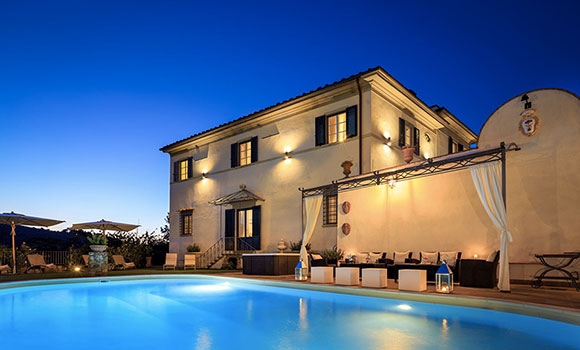
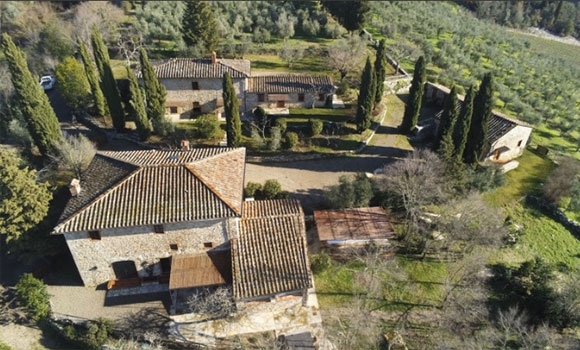
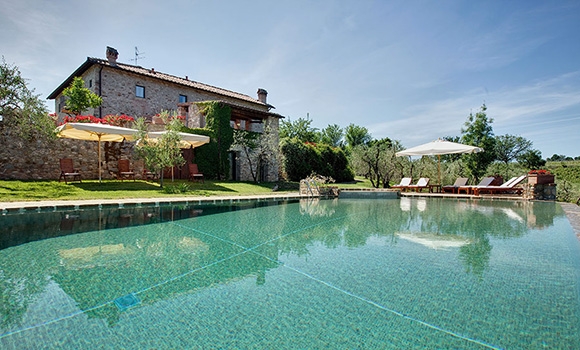
Luxury Villas in Tuscany
What to Do
Curated Tuscany Experiences
Full day (6–8 hours)
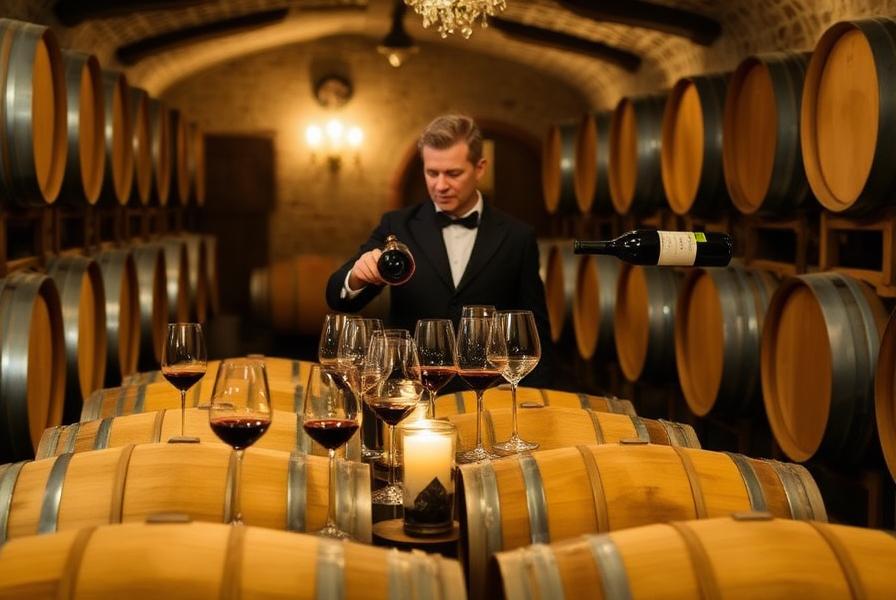
Private Wine Tasting & Vineyard Tour
Discover the soul of Tuscan winemaking in private cellars
Half day (4–5 hours)
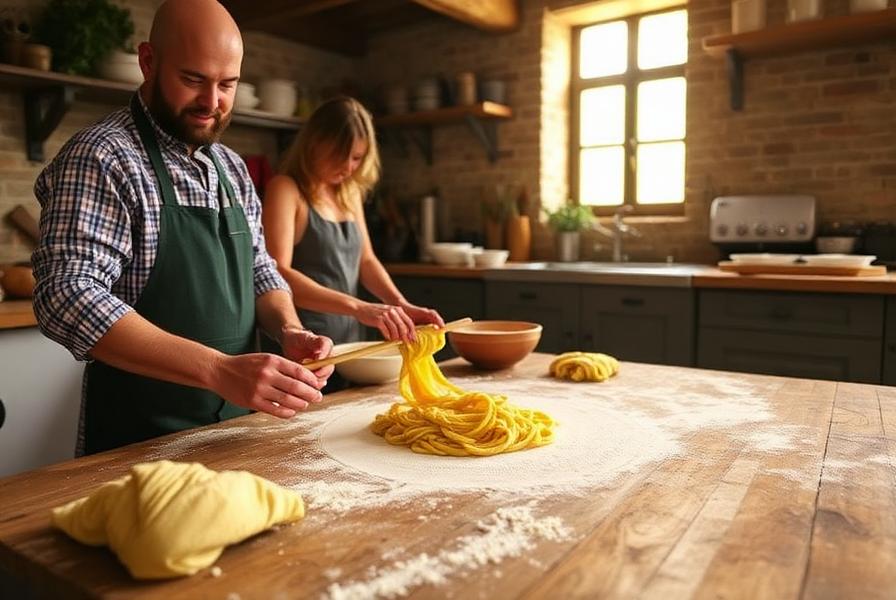
Hands-On Cooking Class
Master the art of Tuscan cuisine in an authentic farmhouse
Half day (2–3 hours)
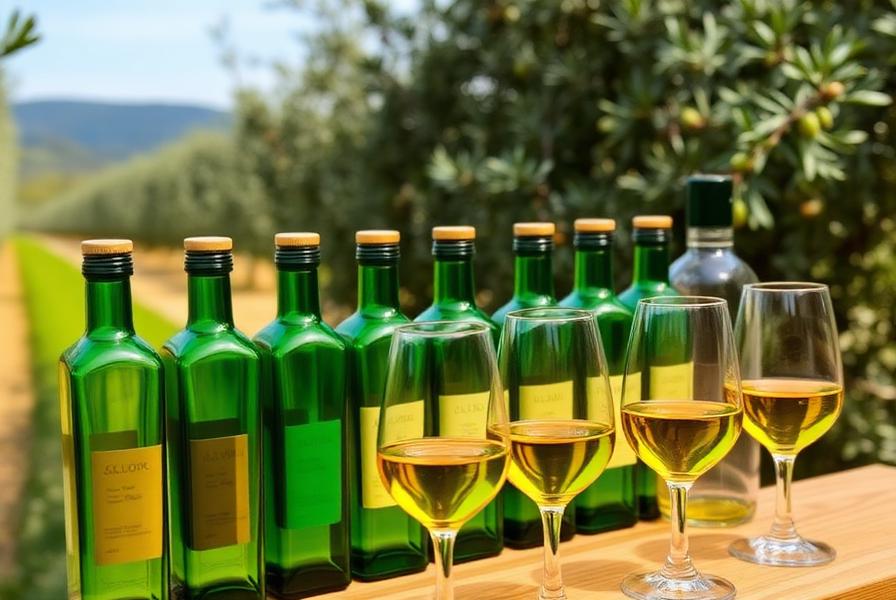
Extra Virgin Olive Oil Tasting
Learn to distinguish the liquid gold of Tuscany
From Our Journal
Tuscany Reading & Insights
- 12 min readThe Best Time to Visit Tuscany: A Month-by-Month Guide for 2026From the spring wildflowers to the autumn wine harvest, each season in Tuscany offers something magical. Here's exactly when to go based on what you want to experience.
- 15 min readTuscany Wine Regions: The Complete Guide to Chianti, Brunello & BeyondTuscany produces some of the world's finest wines. From the rolling hills of Chianti to the sun-baked slopes of Montalcino, here's your expert guide to every major wine region.
- 14 min read21 Unforgettable Things to Do in Chianti, TuscanyChianti is far more than wine country. From medieval castles and thermal springs to artisan workshops and sunrise hot air balloon rides, here are 21 experiences that make Chianti extraordinary.
Curated Collections
Plan a Trip Around a Theme
- Wedding VenuesPrivate Tuscany & Lake Como estates for destination weddings: exclusive-use buy-outs, 12+ guests on site, vetted vendors and a dedicated planner.
- Family VillasFamily villas in Tuscany & Lake Como: safe pools, gardens, quiet roads and child-friendly amenities. Cots and private chef on request — quotes on inquiry.
- Honeymoon StaysRomantic villas for two in Tuscany & Lake Como: private pool or lakefront, panoramic terrace, in-villa chef and total privacy. Quotes on inquiry.
- Large GroupsEstates in Tuscany & Lake Como for 14+ guests: en-suite bedrooms, big living spaces, pool and on-site staff. Great for family reunions — quotes on inquiry.