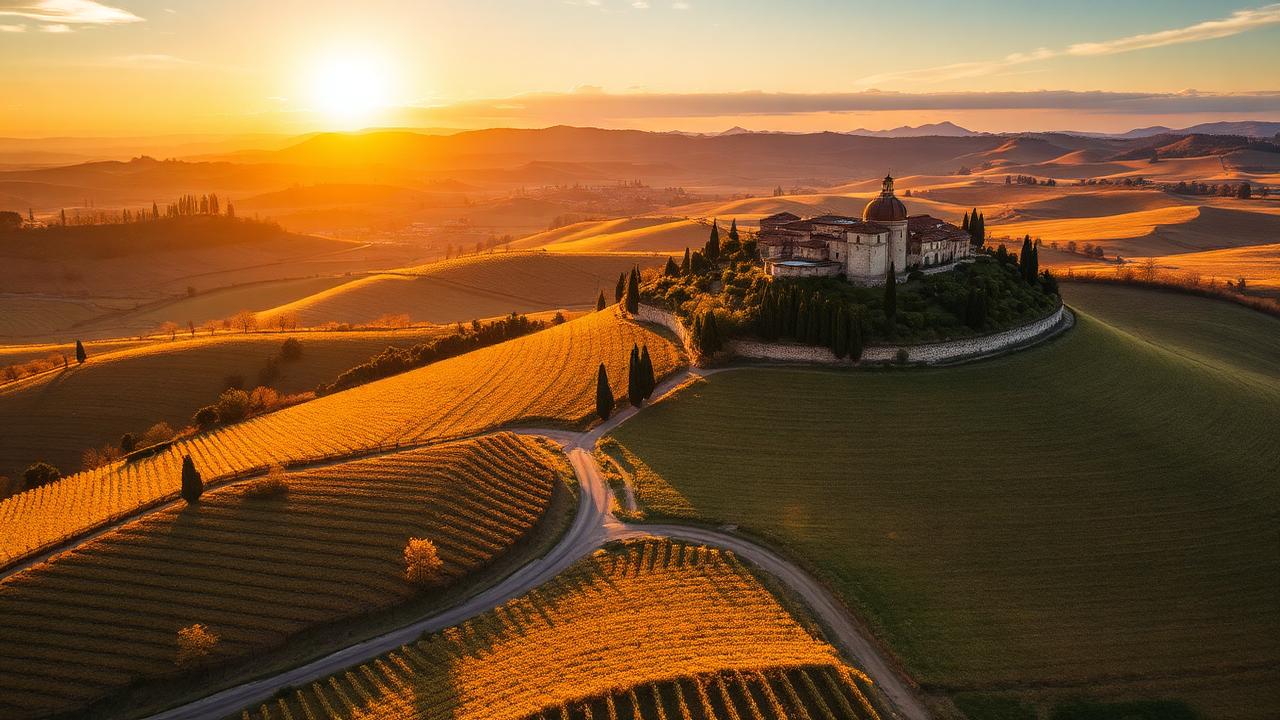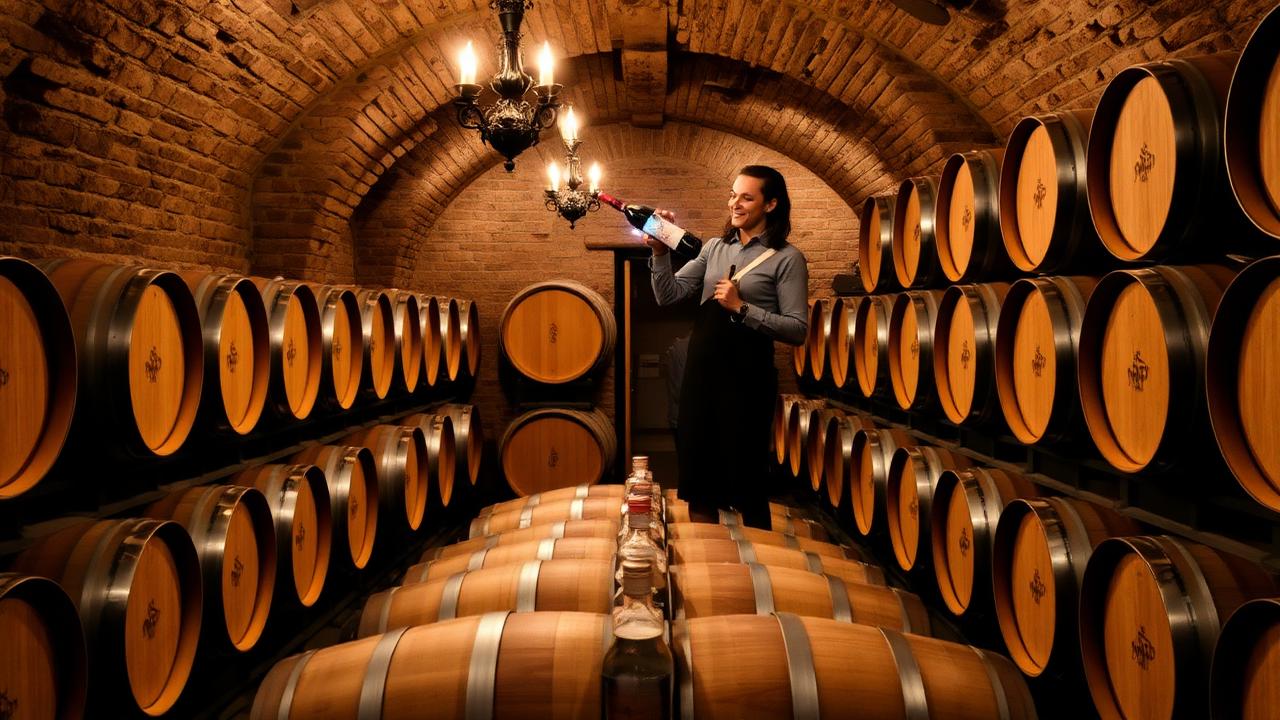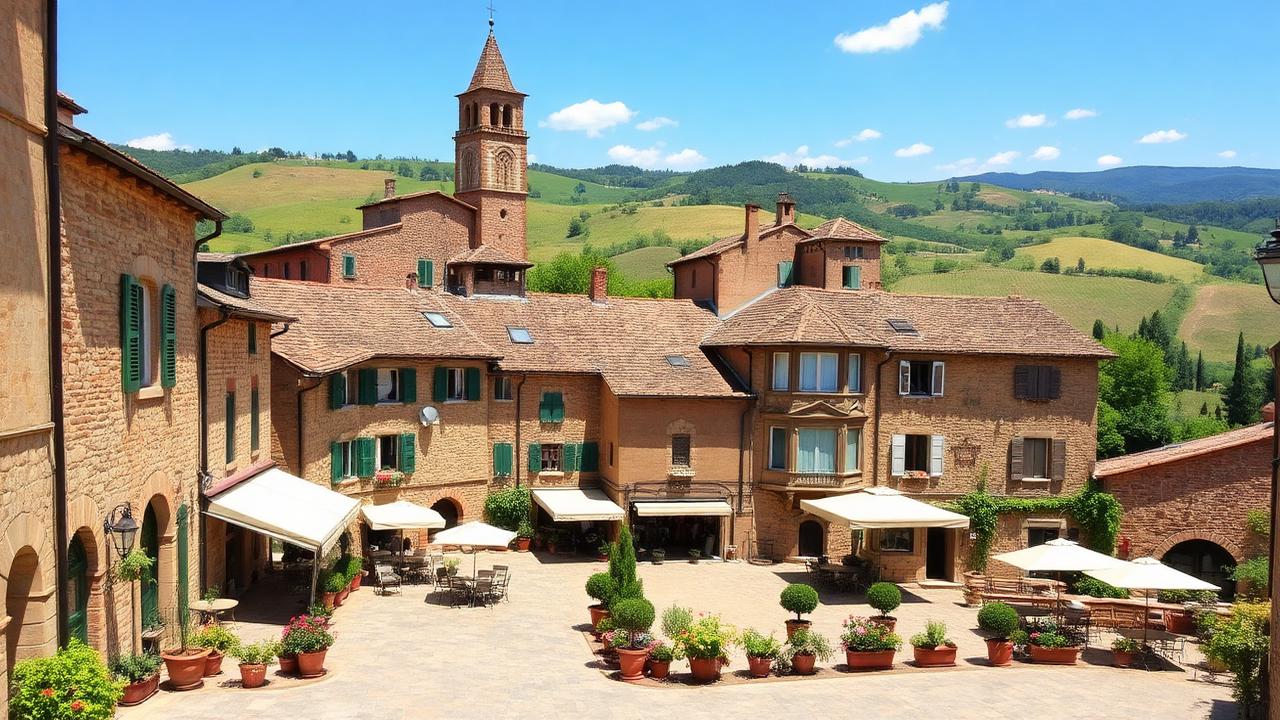
Tuscany has over 30,000 wine producers, making the choice of where to visit genuinely overwhelming. After years of tasting our way through the region, here are 10 vineyards that consistently deliver extraordinary experiences — not just great wine, but memorable, enriching visits that stay with you long after you've finished the last glass.
1. Castello di Ama (Chianti Classico)
This stunning estate combines world-class Chianti Classico with an extraordinary contemporary art collection scattered throughout the property. Works by Anish Kapoor, Louise Bourgeois, and Daniel Buren create a unique dialogue between wine, art, and landscape. The Gran Selezione "San Lorenzo" is among the finest expressions of Sangiovese in all of Tuscany.
2. Biondi-Santi (Montalcino)
The founding family of Brunello di Montalcino. A visit here is a pilgrimage to the birthplace of one of Italy's greatest wines. The historic cellar houses bottles dating back to the 1880s. Tastings are intimate and reverent — this is wine as living history.
3. Antinori nel Chianti Classico (Bargino)
The Antinori family has been making wine for over 600 years, and their modern winery near Bargino is an architectural masterpiece — built into a hillside with spiral staircases, soaring atriums, and floor-to-ceiling vineyard views. The restaurant, Rinuccio 1180, serves excellent Tuscan cuisine paired with the full Antinori range.
4. Tenuta San Guido (Bolgheri)
The home of Sassicaia — the wine that started the Super Tuscan revolution. Visits must be booked well in advance, but the experience of tasting Sassicaia in the vineyard where it was born is unforgettable for any wine lover.
5. Fontodi (Panzano in Chianti)
In the heart of the famous "Conca d'Oro" (Golden Shell), Fontodi is a biodynamic estate producing some of Chianti's most sought-after wines. The Flaccianello della Pieve, a pure Sangiovese IGT, consistently ranks among Italy's finest reds.
6. Poggio di Sotto (Montalcino)
A cult producer making limited-production Brunello of breathtaking elegance. The estate is small, the attention to detail is obsessive, and the wines are extraordinary. Visits are intimate — you'll likely be hosted by the winemaker personally.
7. Castello di Volpaia (Chianti Classico)
A tiny medieval hamlet that doubles as a working winery. The entire village is part of the estate — walk through 11th-century streets to reach the tasting room, then enjoy their excellent olive oils alongside the wines. The sunset views are among Chianti's finest.
8. Avignonesi (Montepulciano)
A biodynamic estate producing exceptional Vino Nobile di Montepulciano. Their Vin Santo (aged for 10 years in tiny caratelli barrels) is legendary. The winery building and gardens are beautiful, and the tasting experience is warm and educational.
9. Ornellaia (Bolgheri)
One of Italy's most prestigious estates, producing the legendary Ornellaia and the pure Merlot Masseto. The modern winery is sleek and impressive, and their Vendemmia d'Artista program commissions a different artist each vintage to create label artwork.
10. Castello di Brolio (Chianti Classico)
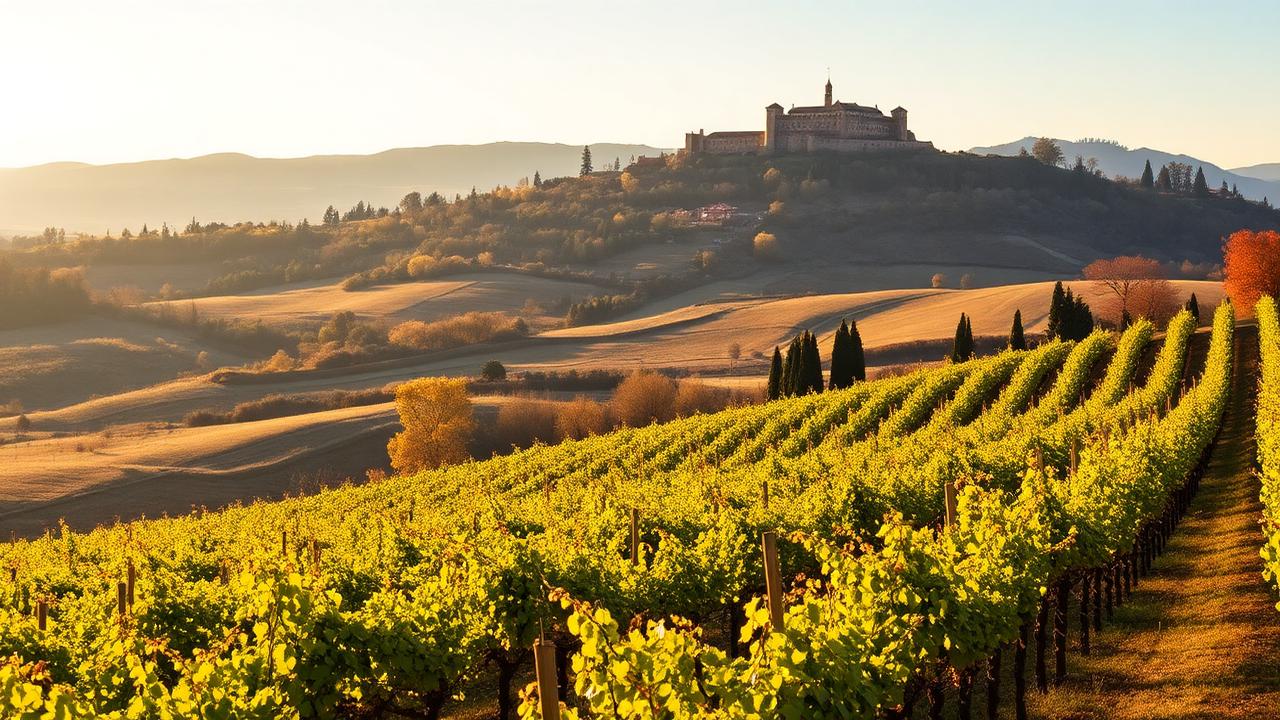
The ancestral home of Baron Bettino Ricasoli, who codified the modern Chianti blend in 1872. The castle, set on a hill overlooking miles of vineyards, is worth the visit for the views alone. Add a tasting of their top Chianti Classico and a tour of the historic cellars, and you have a complete Tuscan experience.
Booking Tips
- Book at least 2–3 weeks in advance for the major estates
- Morning tastings (10–11 AM) are when your palate is freshest
- Most estates offer light lunches or full dining — combine your tasting with a meal
- Never drive between multiple tastings — hire a driver or use our concierge service
- Budget €30–€80 per person for premium tastings