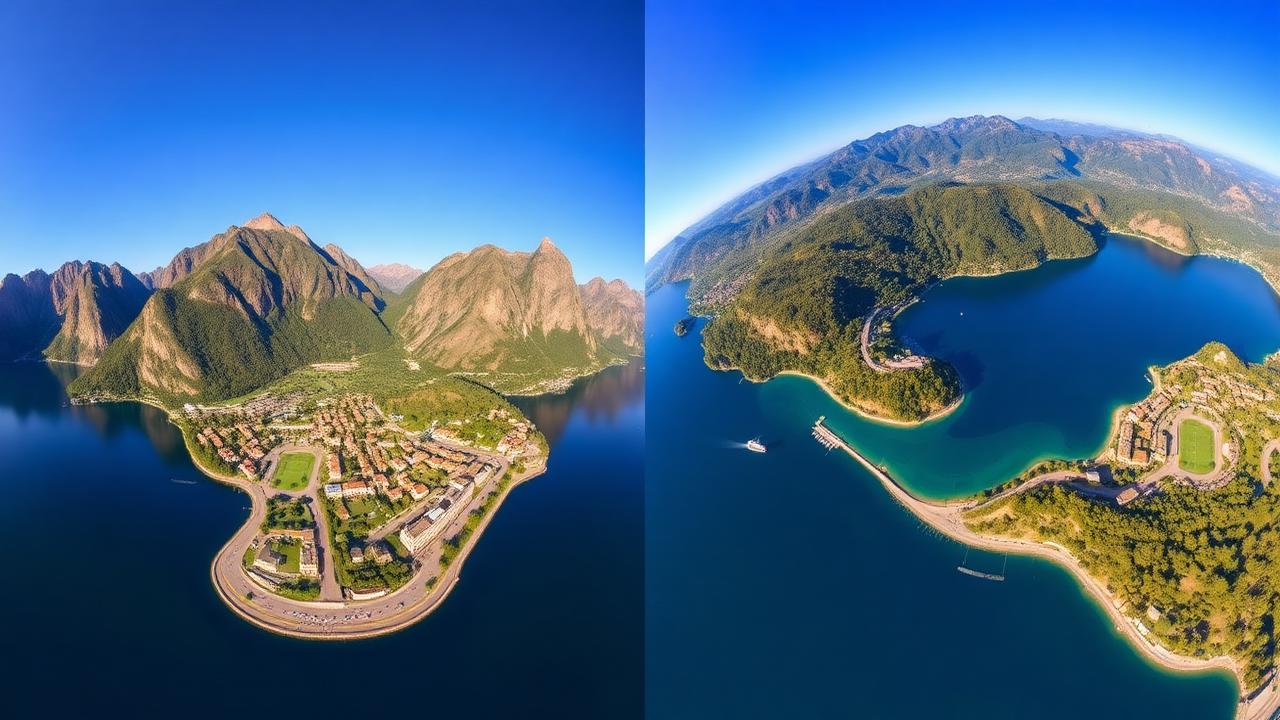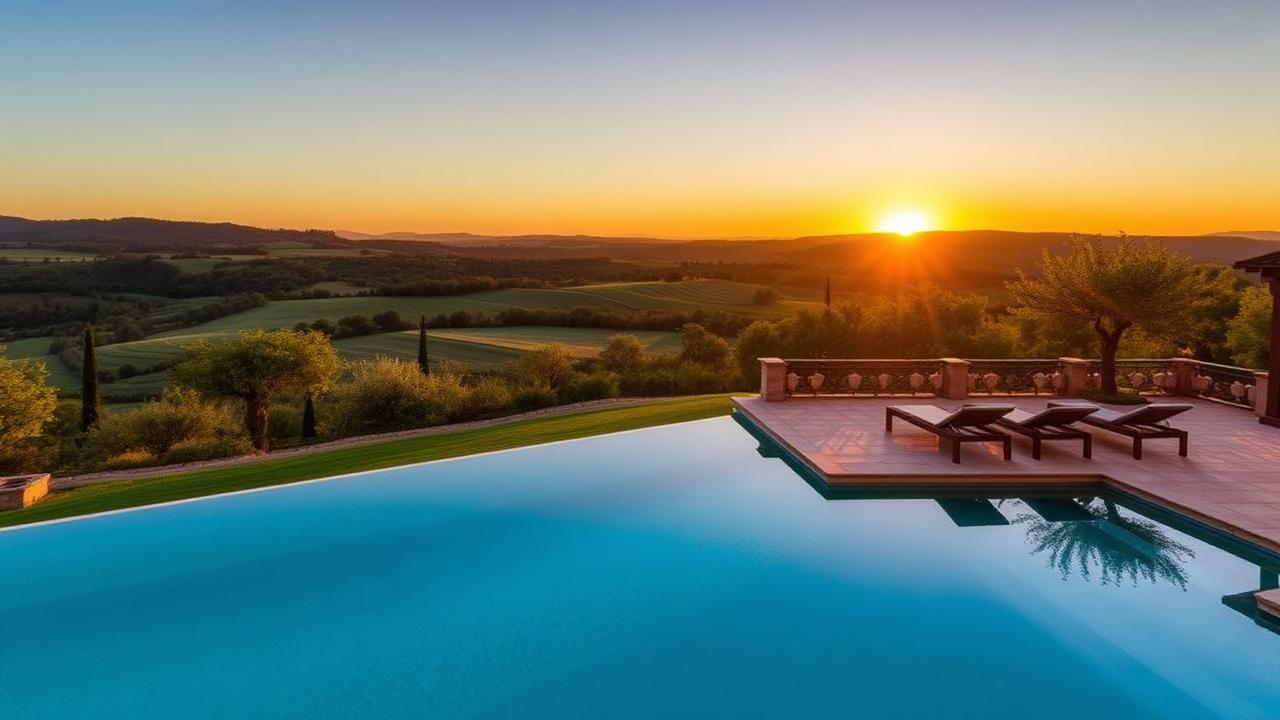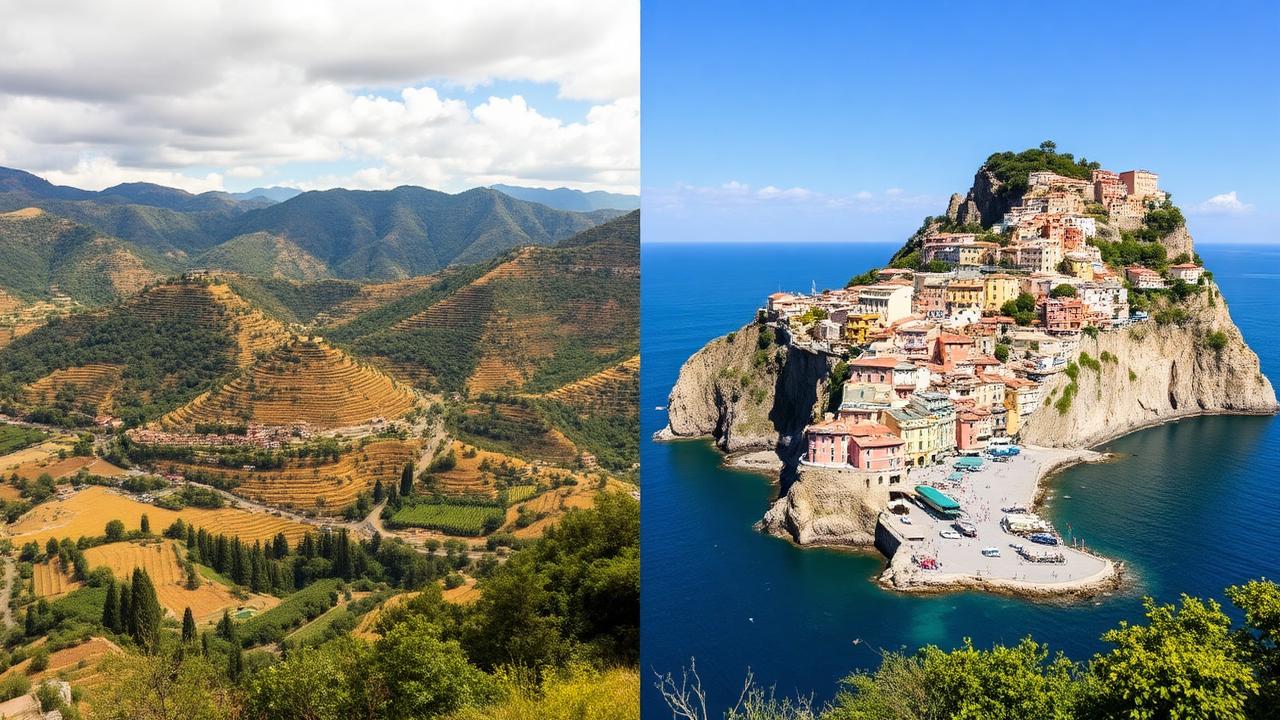
It's the great Italian dilemma: rolling Tuscan hills or dramatic Amalfi cliffs? Wine country or coastal villages? Both regions are extraordinary, but they offer fundamentally different experiences. Let's break it down honestly.
The Vibe
Tuscany is expansive, rural, and contemplative. The pace is slow, the landscapes wide, and the pleasures are earthy — wine, food, countryside walks. It's a destination for depth, where you can spend an entire week within a 30-mile radius and never feel bored.
Amalfi Coast is dramatic, vertical, and energizing. Every view is a postcard, every road is a cliff-hanger, and the Mediterranean sparkles at every turn. It's more condensed, more intense, and more overtly glamorous.
Food & Wine
Tuscany wins for wine — overwhelmingly. This is one of the world's great wine regions, with centuries of tradition. The Amalfi Coast has decent local wines (Ravello rosé, Furore), but it can't compete.
Amalfi wins for seafood. Fresh-caught fish, limoncello, and the world's best lemons create a coastal cuisine that Tuscany's landlocked kitchen can't match.
Tuscany wins for immersive food experiences — cooking classes, truffle hunting, olive oil tastings, farm-to-table dining.
Accommodation
Tuscany excels in villa rentals — sprawling estates with pools, vineyards, and privacy. It's where you go for a home base with space to breathe.
Amalfi is dominated by boutique hotels with dramatic views. Villa rentals exist but tend to be smaller and more expensive for comparable quality.
Activities
Tuscany: Wine tasting, cooking classes, art in Florence, hill town exploration, cycling, hot air ballooning, horseback riding.
Amalfi: Swimming, boat tours, Capri day trips, Path of the Gods hiking, Pompeii/Herculaneum, lemon grove tours.
Getting Around
Tuscany is easy to drive — gently rolling terrain, well-marked roads, minimal traffic outside Florence.
Amalfi driving is notoriously stressful — narrow cliffside roads, aggressive local drivers, limited parking. Ferries and boats are often the better option.
Crowds & Timing
Both regions peak in July–August. However, Tuscany's larger area disperses crowds more effectively — you can always find a quiet hill town. The Amalfi Coast, constrained to a narrow coastal strip, feels much more crowded at peak times.
Cost Comparison
Tuscany generally offers better value, especially for accommodation. A luxury villa sleeping 8–10 in Chianti costs roughly the same as a standard hotel room in Positano. Dining is also more affordable inland.
Our Verdict
Choose Tuscany if: You love wine, cooking, art, driving through countryside, and having a spacious villa as your base. If you want a slow, immersive Italian experience with depth and variety.
Choose Amalfi if: You want dramatic coastal scenery, beach days, island-hopping, and a more concentrated, visually intense experience.
The ideal trip: 7 days in Tuscany + 4 days on the Amalfi Coast. Start with the slow richness of the countryside, then end with the Mediterranean glamour. It's a combination that covers everything Italy does best.