Italians are genuinely welcoming to visitors, and most will forgive cultural missteps with a smile. But understanding local customs will deepen your connections, earn respect, and help you experience Italy beyond the tourist surface. Here are 15 cultural insights that will make your Italian experience richer.
Dining & Food
1. Coffee Has Rules
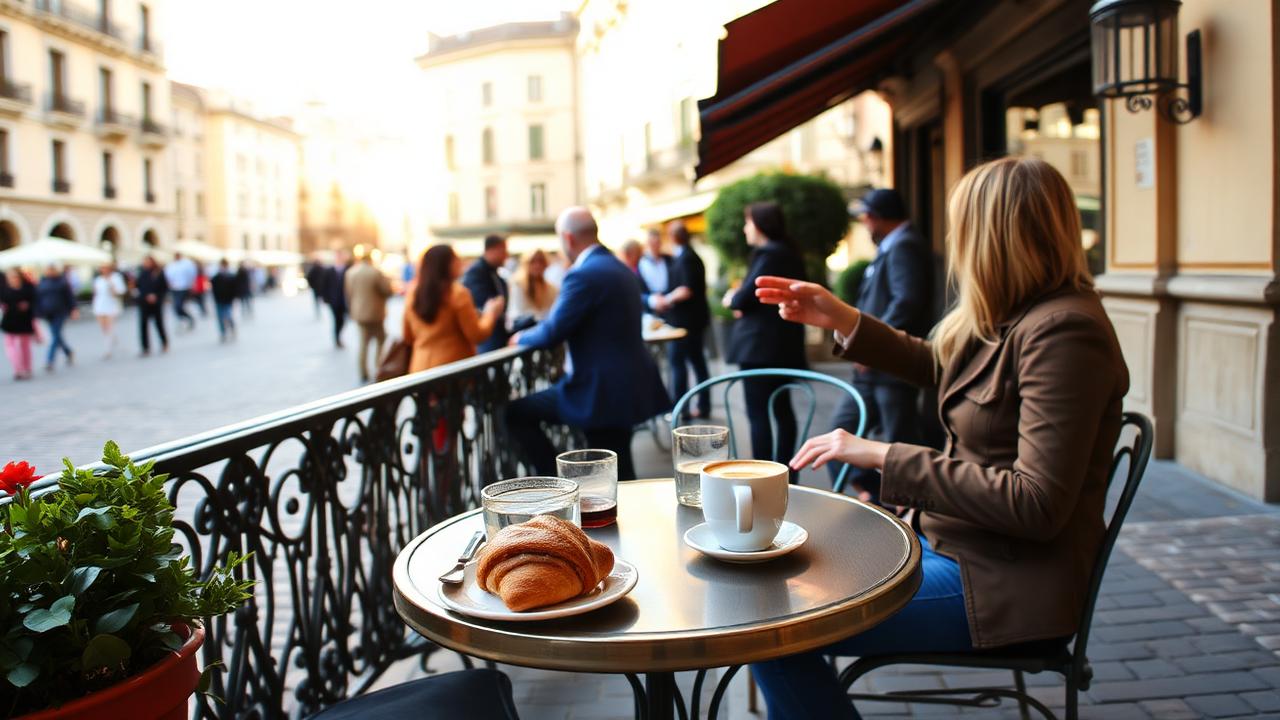
Italians drink cappuccino only in the morning — ordering one after lunch or dinner is considered bizarre (though not offensive). After noon, switch to espresso (just say "caffè"), macchiato (espresso with a drop of milk), or caffè lungo (a longer espresso). And always drink your coffee at the bar — it's cheaper and more social than sitting at a table.
2. The Meal Structure Matters
A traditional Italian meal follows a sequence: antipasto, primo (pasta/risotto), secondo (meat/fish) with contorno (side dish), dolce (dessert), caffè. You're never expected to order all courses, but ordering just a main course can seem strange. A primo plus a secondo, or an antipasto plus a primo, is perfectly acceptable.
3. Bread Isn't a Starter
Don't ask for olive oil and balsamic vinegar for dipping — that's not a thing in Italy. Bread accompanies the meal, used to fare la scarpetta (mop up sauce from your plate) — a practice that's actually considered a compliment to the chef.
4. Tipping Is Different
Service is included in the price. There's no obligation to tip. However, rounding up the bill or leaving €5–10 at a nice restaurant is a kind gesture for excellent service. Never tip the barista for an espresso — though leaving small change is fine.
5. Don't Rush the Meal
The waiter will never bring the check until you ask (it's considered rude to rush diners). When you're ready, say "Il conto, per favore." Expect the meal to last 1.5–3 hours — this is by design, not inefficiency.
Social & Greeting
6. Greetings Matter
Always greet with "Buongiorno" (formal) or "Ciao" (informal, only with people you know). Enter a small shop? Say buongiorno. Sit down at a restaurant? Buongiorno. Leave? "Arrivederci." These small courtesies are noticed and appreciated.
7. Personal Space Is Smaller
Italians stand closer during conversation, use more physical contact, and may greet friends with two-cheek kisses. Don't step back — it's not aggressive, it's warm.
8. Dress Better Than You Think Necessary
Italians put genuine effort into their appearance — even for casual occasions. You don't need designer labels, but avoid gym clothes, flip-flops, and overly casual attire outside of beach areas. For churches, shoulders and knees must be covered (this is strictly enforced, especially at the Vatican).
Practical & Daily Life
9. The Riposo Is Sacred
Many small shops and businesses close from approximately 1–4 PM for lunch and rest. Don't bang on closed doors — use this time for your own leisurely lunch or siesta.
10. Speak Some Italian
Even basic phrases show respect: "Per favore" (please), "Grazie" (thank you), "Mi scusi" (excuse me), "Parla inglese?" (do you speak English?). Italians light up when visitors make the effort.
11. Queuing Is... Flexible
Lines in Italy are more suggestions than systems. Don't be offended if someone cuts in front of you — politely assert your place. At delis and markets, take a numbered ticket if available.
12. Wi-Fi and Phone
Free Wi-Fi is common in cafés but often slow. Consider buying an Italian SIM card at the airport (Vodafone, TIM, or WindTre) for reliable data throughout your trip. T-Mobile and many US carriers offer free international data in Italy.
13. Water Etiquette
When asked "naturale o frizzante?" at a restaurant, choose between still (naturale) or sparkling (frizzante) water. Tap water is safe and free but not commonly served in restaurants — you're expected to order bottled.
14. Sunday Is Still Special
Many shops close on Sundays (though tourist areas are exceptions). Use Sundays for markets, churches, outdoor activities, and long lunches — as the Italians do.
15. Slow Down
The single most important cultural tip: match the pace. Italy moves at a rhythm that prioritizes enjoyment over efficiency. The long lunch, the evening passeggiata, the second espresso — these aren't wastes of time. They're the point.