You've dreamed about Italy for years — the food, the wine, the art, the landscapes. Now you're ready to go. But where do you start? Italy is a big country with an enormous amount to offer, and planning your first trip can feel daunting. This guide covers everything you need to know to plan confidently and avoid the most common first-timer mistakes.
When to Go
Italy is a year-round destination, but the sweet spots for first-timers are:
- May–June: Warm weather, long days, gardens in bloom, reasonable crowds.
- September–October: Harvest season, warm but not hot, wine festivals, golden light.
Avoid August if possible — many Italians take their own vacations, some restaurants close, and tourist hotspots are at maximum capacity.
Visa & Entry Requirements
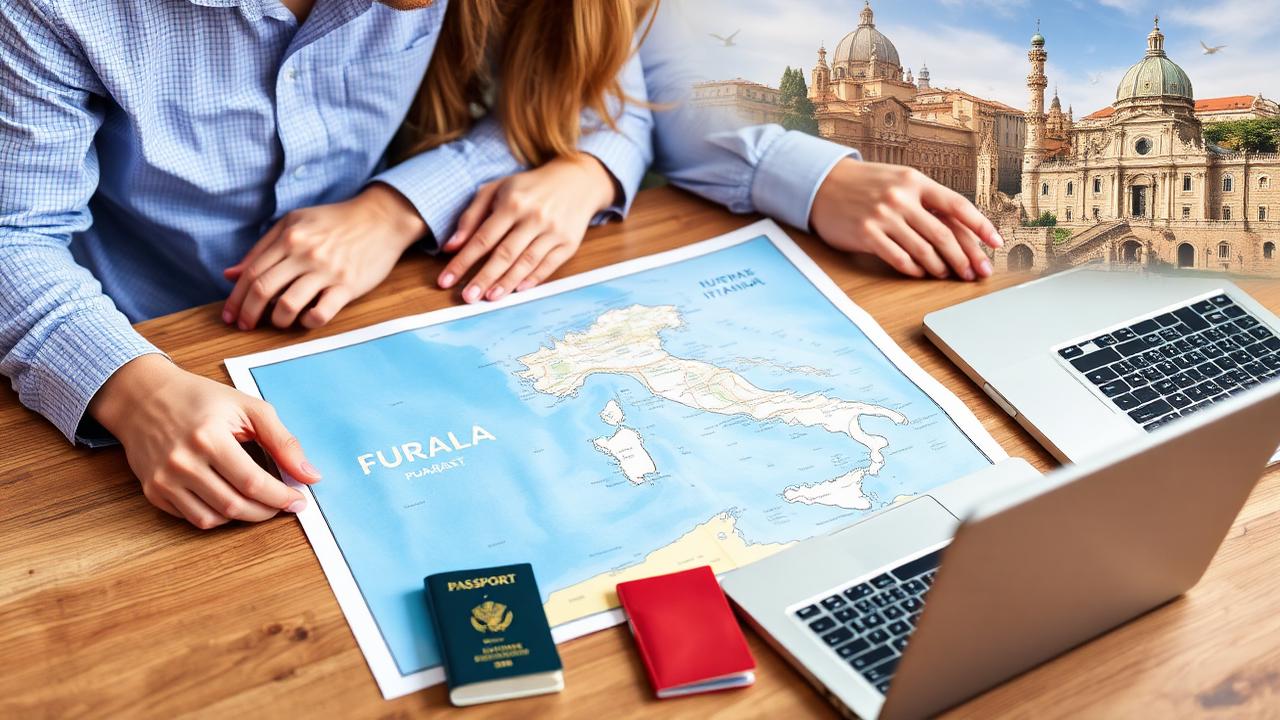
US citizens can visit Italy (and the Schengen Area) for up to 90 days without a visa. Starting in 2026, you'll need an ETIAS authorization (European Travel Information and Authorization System) — a simple online application costing €7, valid for 3 years. Apply at least 72 hours before travel.
Your passport must be valid for at least 6 months beyond your planned departure from Italy.
How Long to Stay
We recommend a minimum of 10 days for a first visit to Italy. A common itinerary:
- 3–4 days: Rome (Colosseum, Vatican, Trastevere, Roman Forum)
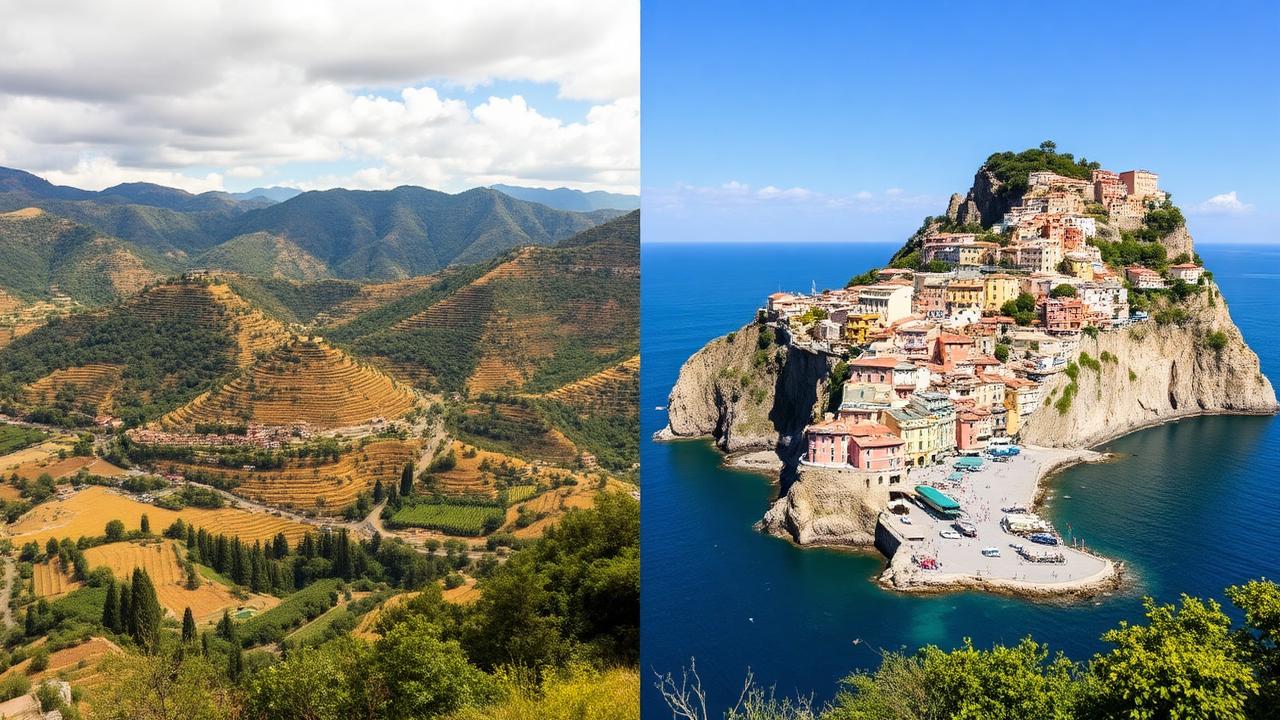
- 4–5 days: Tuscany (villa base, Florence day trip, wine country, hill towns)
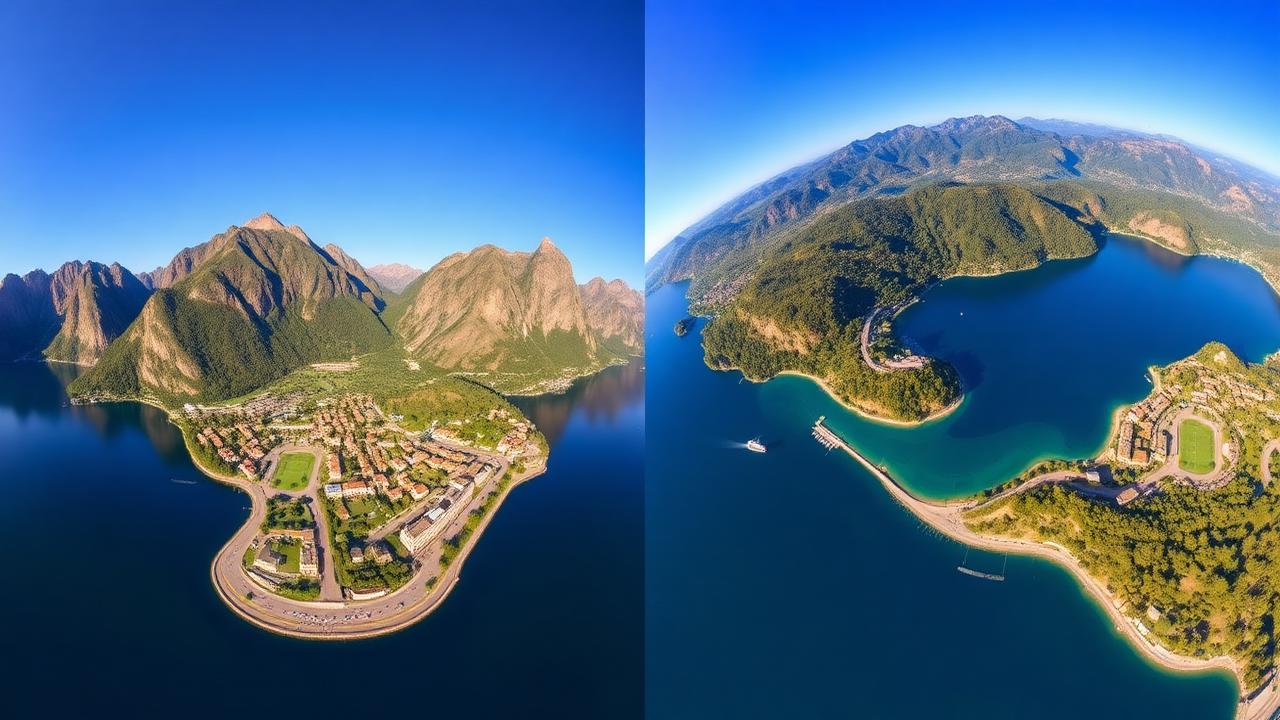
- 2–3 days: Lake Como or Venice or Amalfi Coast
Resist the temptation to cram in too many cities. Italy rewards depth over breadth — spending 4 days in one region beats rushing through 4 cities.
Budgeting
Italy ranges from affordable to expensive depending on your choices. For a comfortable mid-to-luxury experience:
- Accommodation: $150–$400/night (hotel); $200–$600/night (villa, split among guests)
- Meals: $50–$100/person/day (mixing trattorias with occasional fine dining)
- Activities: $30–$100/person/day (museum entries, wine tastings, experiences)
- Transportation: $50–$100/day (car rental, trains, ferries)
Getting Around
Trains: Trenitalia and Italo connect major cities efficiently. The high-speed Frecciarossa covers Florence–Rome in 90 minutes.
Rental car: Essential for countryside exploration (Tuscany, Lake Como, Amalfi). International driving permit required.
Domestic flights: Rarely necessary — trains are usually faster door-to-door.
Common First-Timer Mistakes
- Trying to see too much: 3 cities in 7 days = exhaustion. Choose depth.
- Eating near major attractions: Walk 2–3 blocks from any landmark for dramatically better food at lower prices.
- Not booking museum tickets: Pre-book the Uffizi, Colosseum, Vatican, and David. Walk-up queues can exceed 2 hours.
- Expecting American-style service: Italian dining is leisurely. The waiter won't rush you — you'll need to ask for the check.
- Over-relying on credit cards: Many small businesses, markets, and rural establishments are cash-only.
Our Recommendation for First-Timers
Start with Tuscany. It's accessible (direct flights to Florence from many US cities via connections), the food and wine are extraordinary, the pace is relaxed, and it gives you the quintessential Italian experience. Base yourself in one of our curated villas, and let our concierge team handle the planning — from restaurant reservations to wine tours, cooking classes to Florence day trips. Your only job is to enjoy la dolce vita.