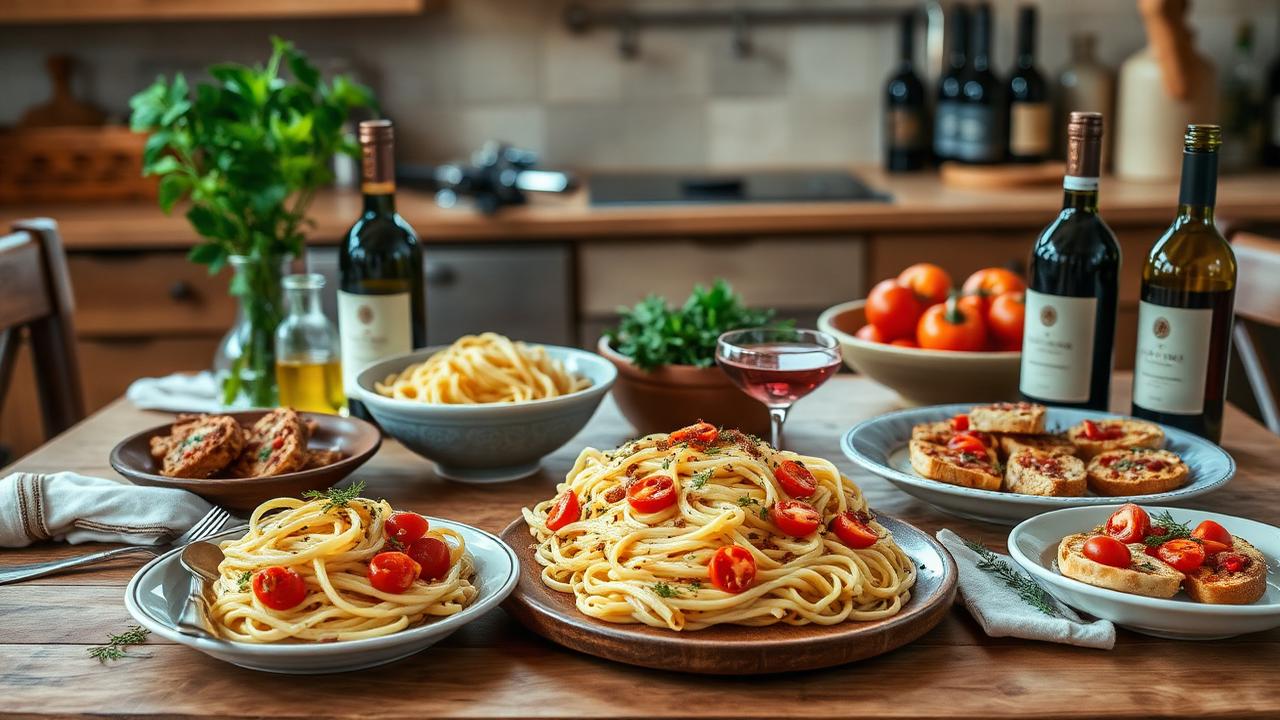
Tuscan cuisine is rooted in a philosophy called cucina povera — "poor cooking." But don't let the name mislead you. This is a culinary tradition that transforms humble ingredients — bread, beans, olive oil, seasonal vegetables — into dishes of extraordinary depth and flavor. Where French cuisine adds complexity through technique, Tuscan cooking strips away everything unnecessary to reveal the pure essence of exceptional ingredients.
The Sacred Dishes You Must Try
Bistecca alla Fiorentina
The king of Tuscan cuisine. A thick-cut T-bone from Chianina cattle, grilled over wood coals at extreme heat, served rare to medium-rare with nothing but salt, pepper, and a drizzle of olive oil. The steak is sold by weight (typically 1–1.5 kg) and meant for sharing. Where to try it: Dario Cecchini's Officina della Bistecca in Panzano is a pilgrimage-worthy experience.
Ribollita
Literally "reboiled," this thick soup of cannellini beans, cavolo nero (black kale), bread, and vegetables was originally a peasant dish made from leftovers. Today it's served in the finest restaurants. The key is day-old Tuscan bread (unsalted, by tradition) that breaks down into a creamy, hearty base.
Pici Cacio e Pepe
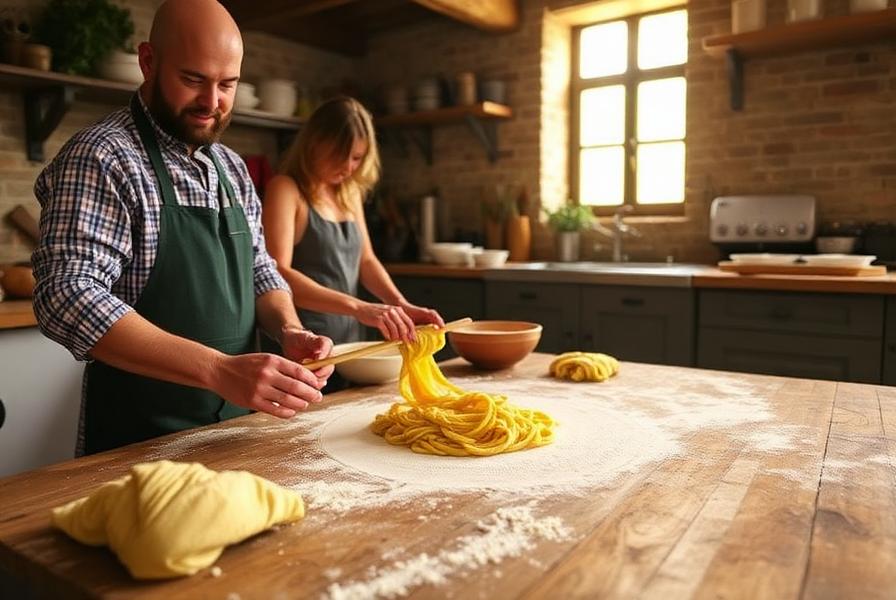
Pici is Tuscany's answer to spaghetti — thick, hand-rolled, with an irregular texture that grabs sauce beautifully. Served with pecorino cheese and black pepper (cacio e pepe) or with a ragù of wild boar (cinghiale), it's soul food at its finest.
Pappa al Pomodoro
Another bread-based dish: stale bread cooked with ripe tomatoes, garlic, basil, and olive oil until it becomes a thick, fragrant porridge. Served warm or at room temperature, it's the taste of Tuscan summer in a bowl.
Lampredotto
Florence's beloved street food — beef tripe slow-cooked with tomatoes, onions, and parsley, served in a crusty roll dipped in the cooking broth. It's an acquired taste, but one that every adventurous eater should try. Find it at the trippaio stands in Mercato Centrale or Piazza dei Nerli.
The Art of Tuscan Olive Oil
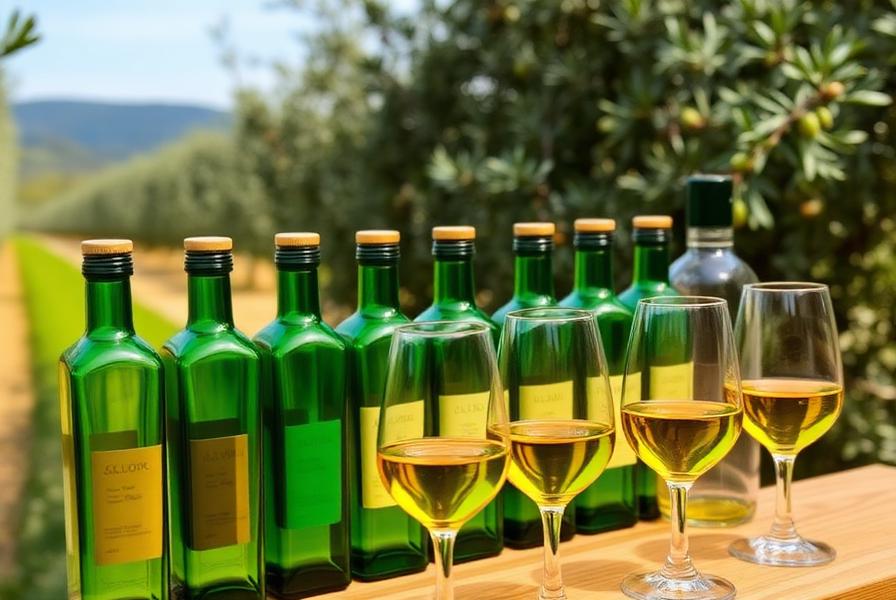
Tuscan extra virgin olive oil is different from what most Americans know as olive oil. It's intensely green, peppery, and almost aggressively flavorful — a condiment in its own right. The best oils come from the areas around Lucca, Chianti, and the Maremma, harvested early (October–November) when the olives are still partially green.
In Tuscany, olive oil replaces butter in almost every context. It's drizzled on soups, beans, bread, grilled meats, and even some desserts. Learning to taste olive oil — distinguishing bitterness (from polyphenols, a health indicator) from pungency (the peppery catch in the throat) — is one of the most rewarding culinary skills you can develop during your stay.
Cheese: Pecorino Toscano
While Parmigiano Reggiano hails from Emilia-Romagna, Tuscany's cheese is pecorino — made from sheep's milk. It ranges from fresh and mild (fresco, aged less than 20 days) to firm and sharp (stagionato, aged 6+ months). The version studded with black truffle is a luxurious indulgence.
Pair fresh pecorino with honey and walnuts. Pair aged pecorino with Brunello or a robust Chianti.
Dining Etiquette
- Coperto is a cover charge (€1–3 per person) — it's standard, not a scam.
- Tipping: Not expected, but rounding up or leaving 5–10% is appreciated for excellent service.
- Meal structure: Antipasto → Primo (pasta/soup) → Secondo (meat/fish) + Contorno (side) → Dolce. You're not expected to order every course.
- Cappuccino after 11 AM: Italians don't — but they won't judge you if you do. (They will notice.)
- Bread: Tuscan bread is unsalted (by tradition dating to a medieval salt tax). It's meant to be eaten with the food, not alone.
Cooking Classes: Learn to Make It Yourself
One of the most popular experiences we arrange is hands-on cooking classes at private estates. You'll typically visit a local market in the morning, learn to make 3–4 dishes by hand, and then sit down to enjoy your creations with wine pairings. It's not just a cooking lesson — it's a window into Italian family culture.